What is the champagne gene in horses, what does it look like, and how is it inherited?
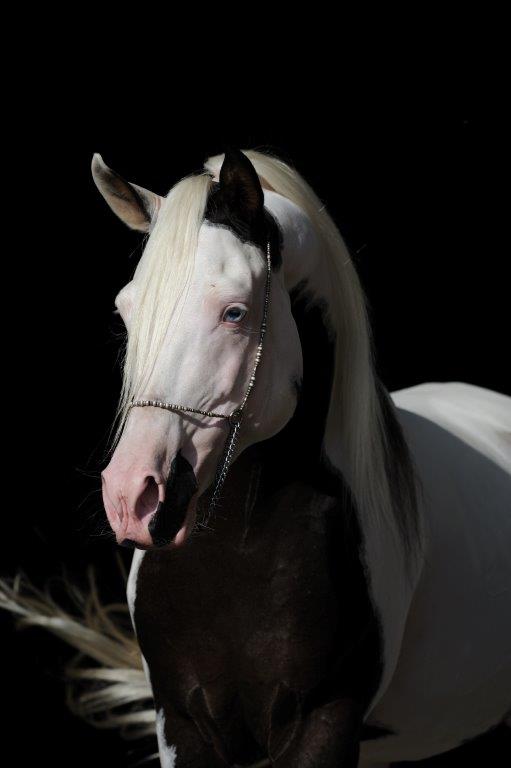
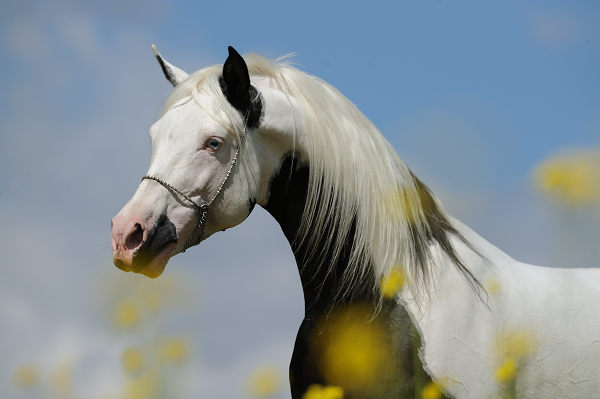
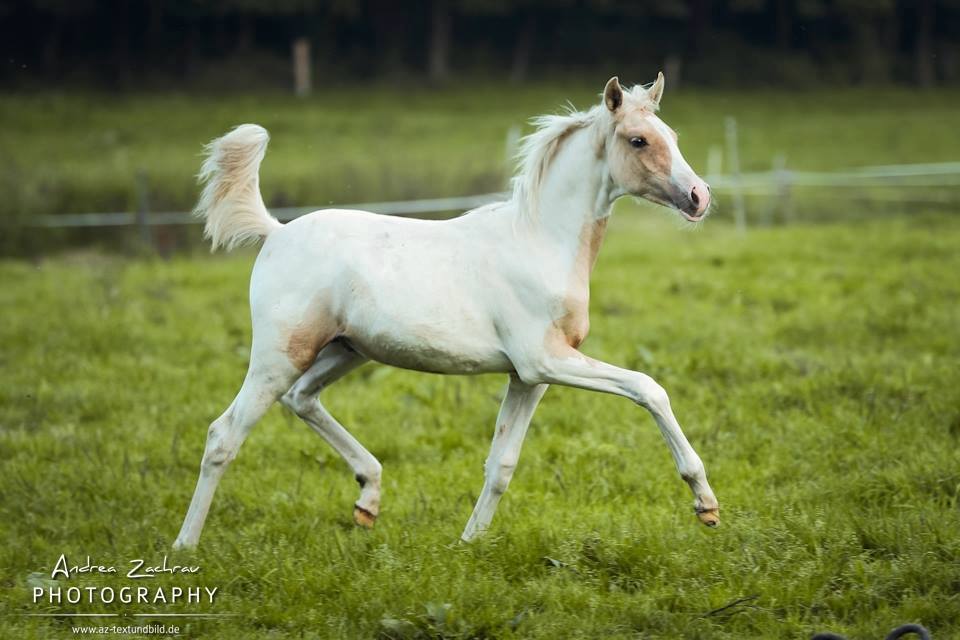
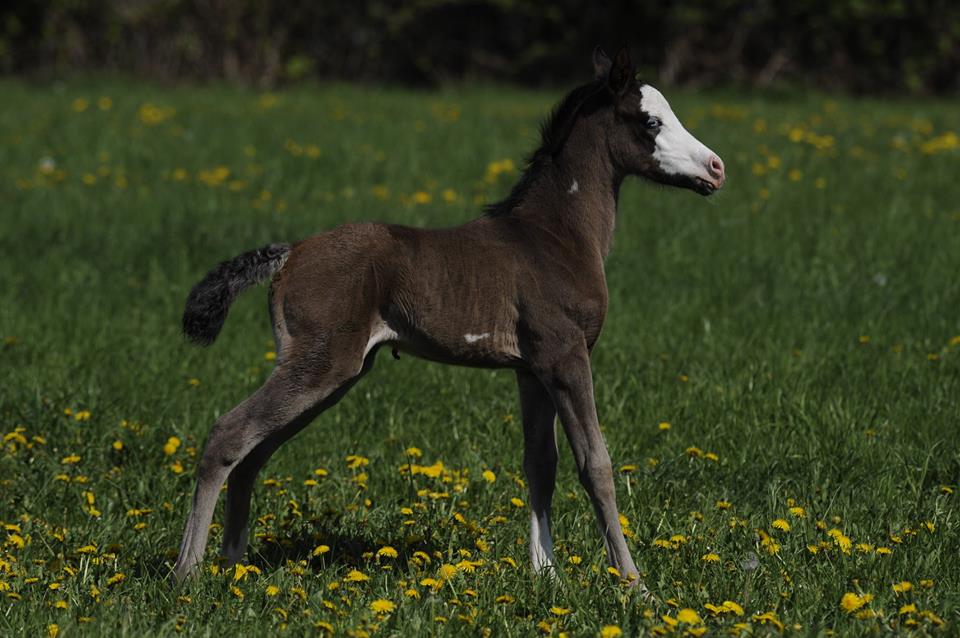
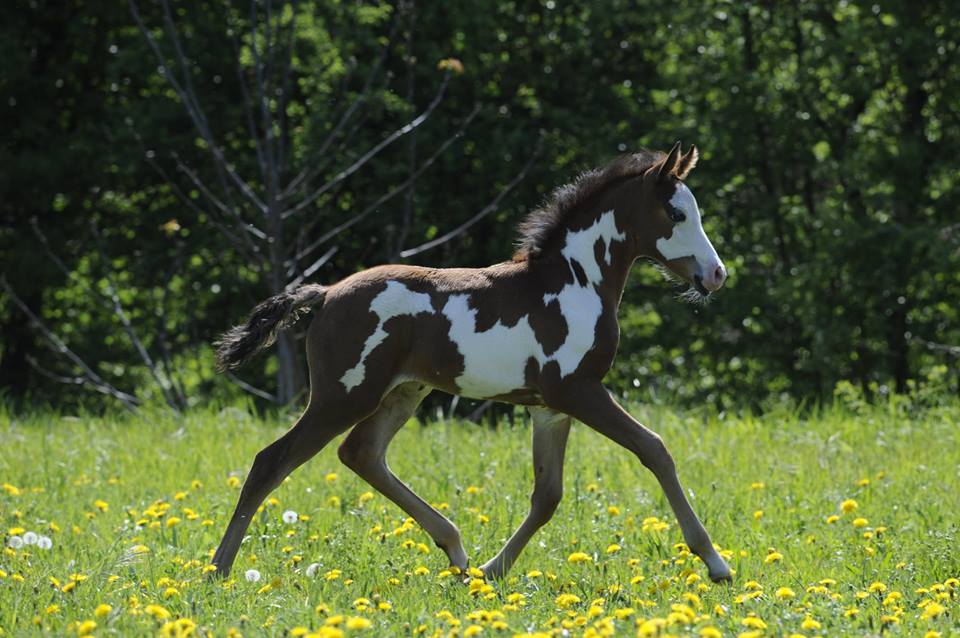
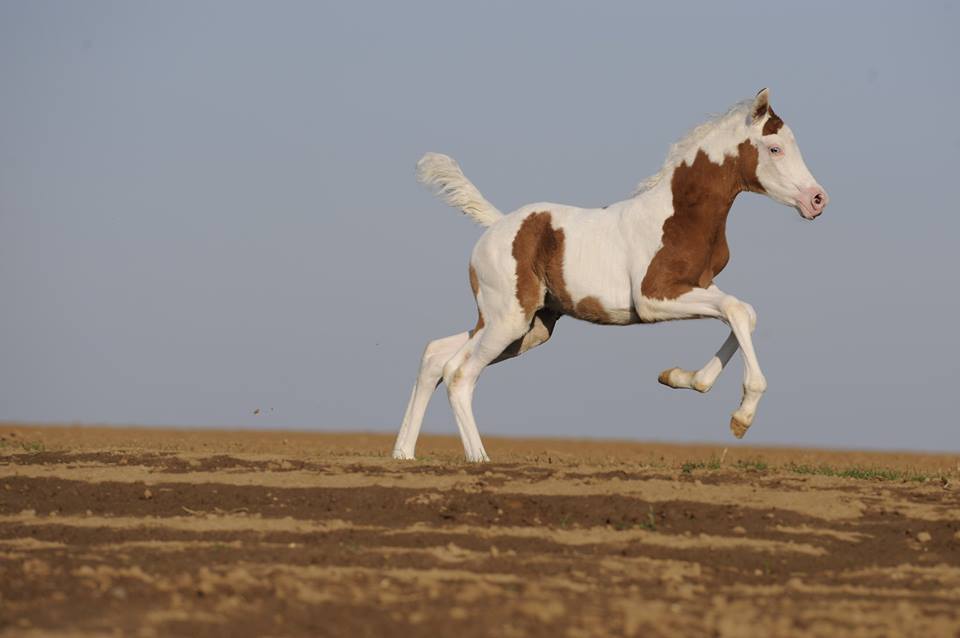
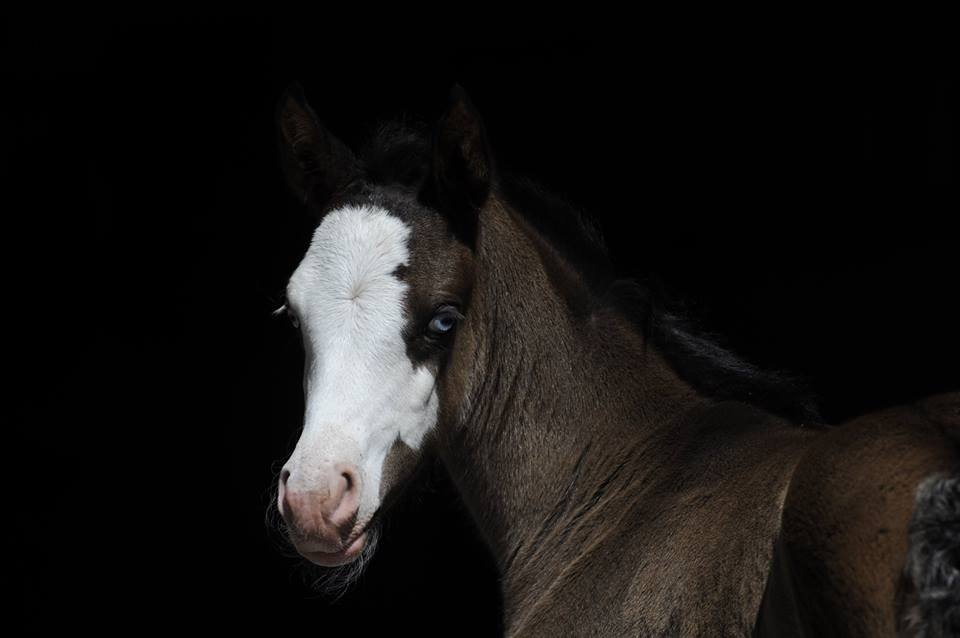
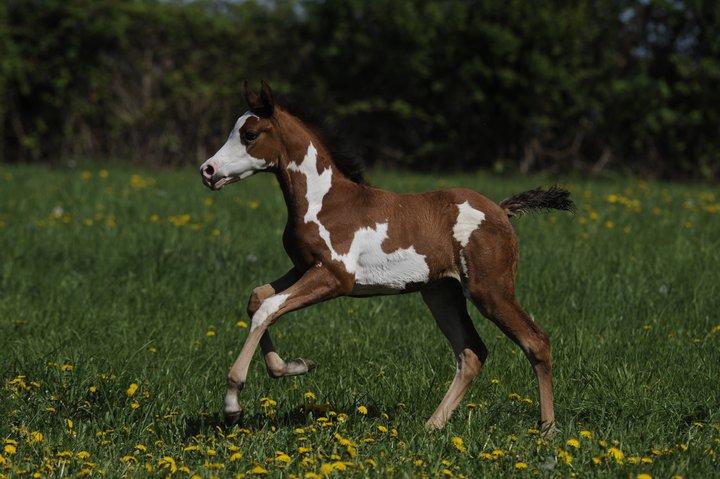
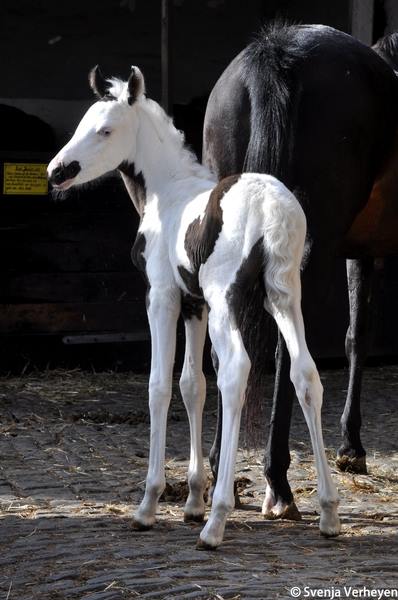
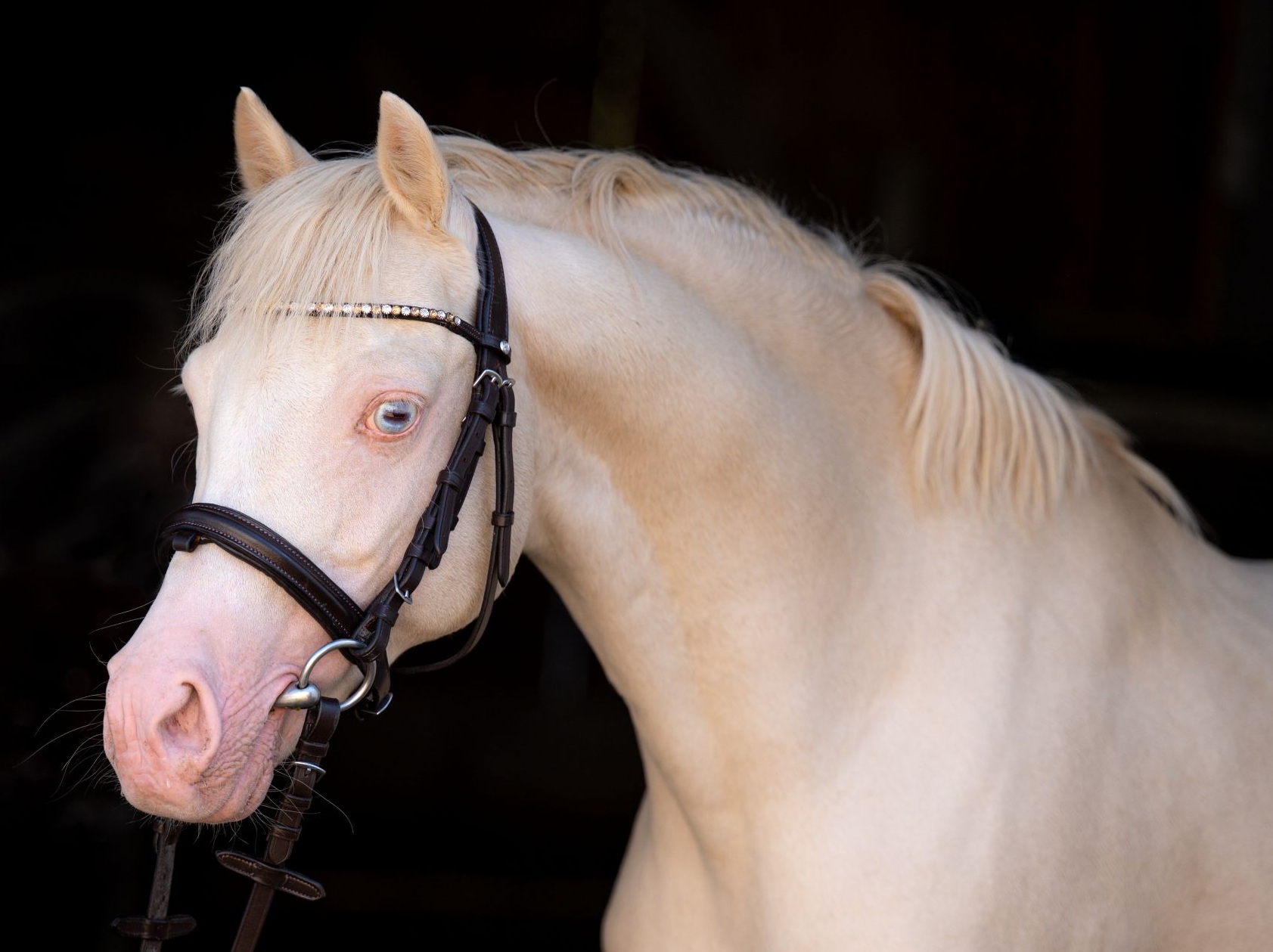
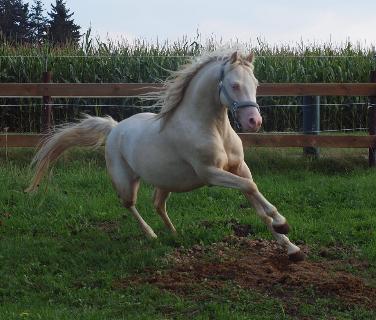
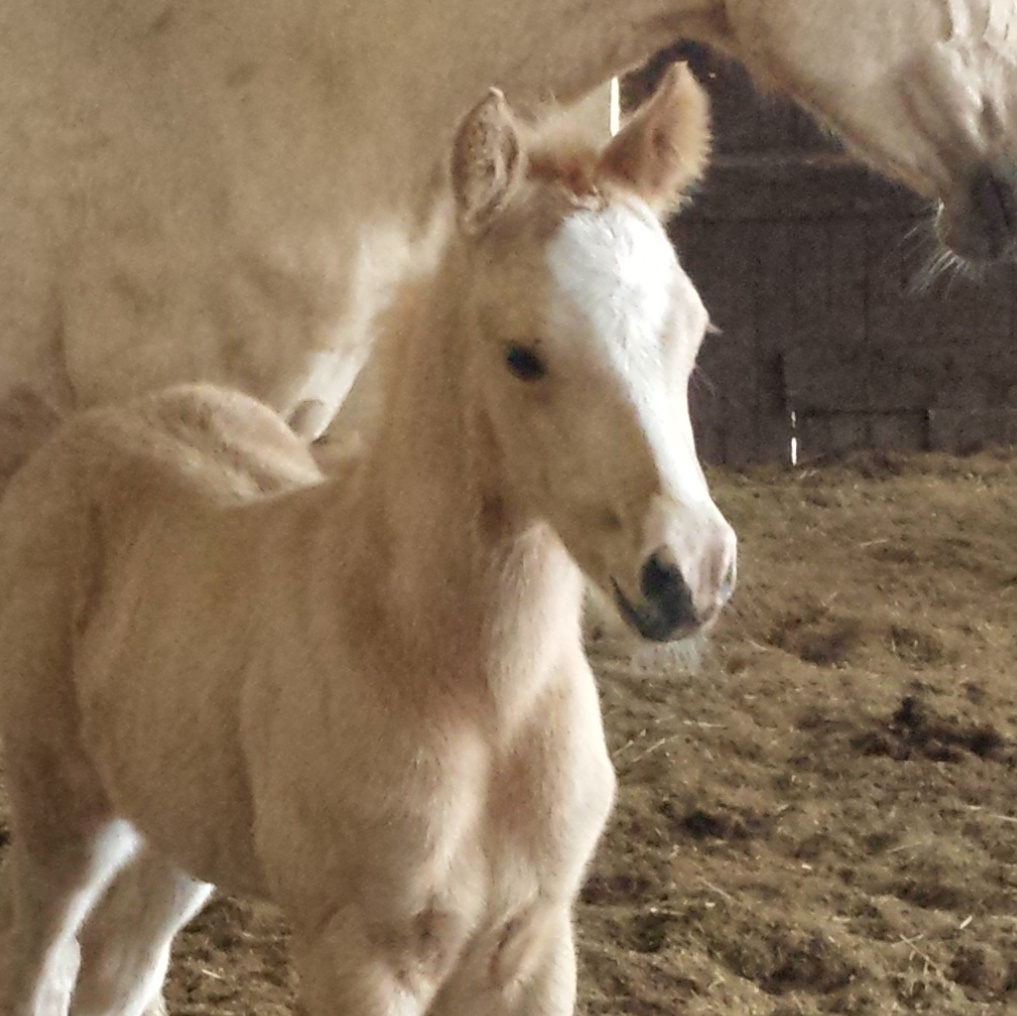
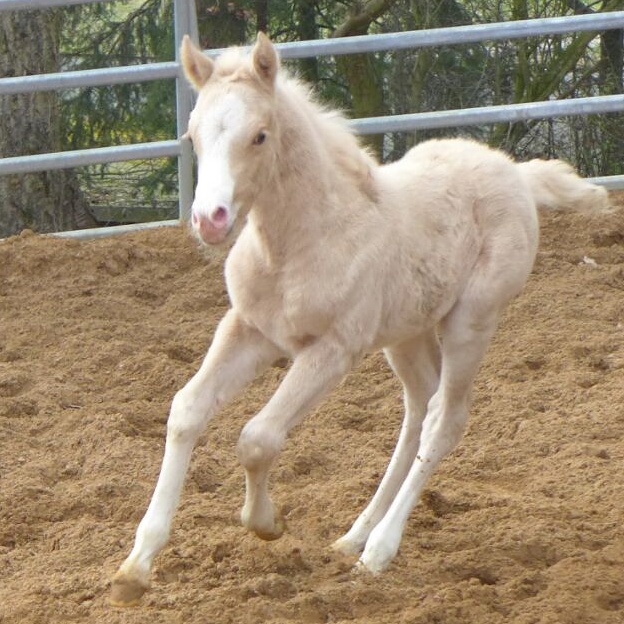
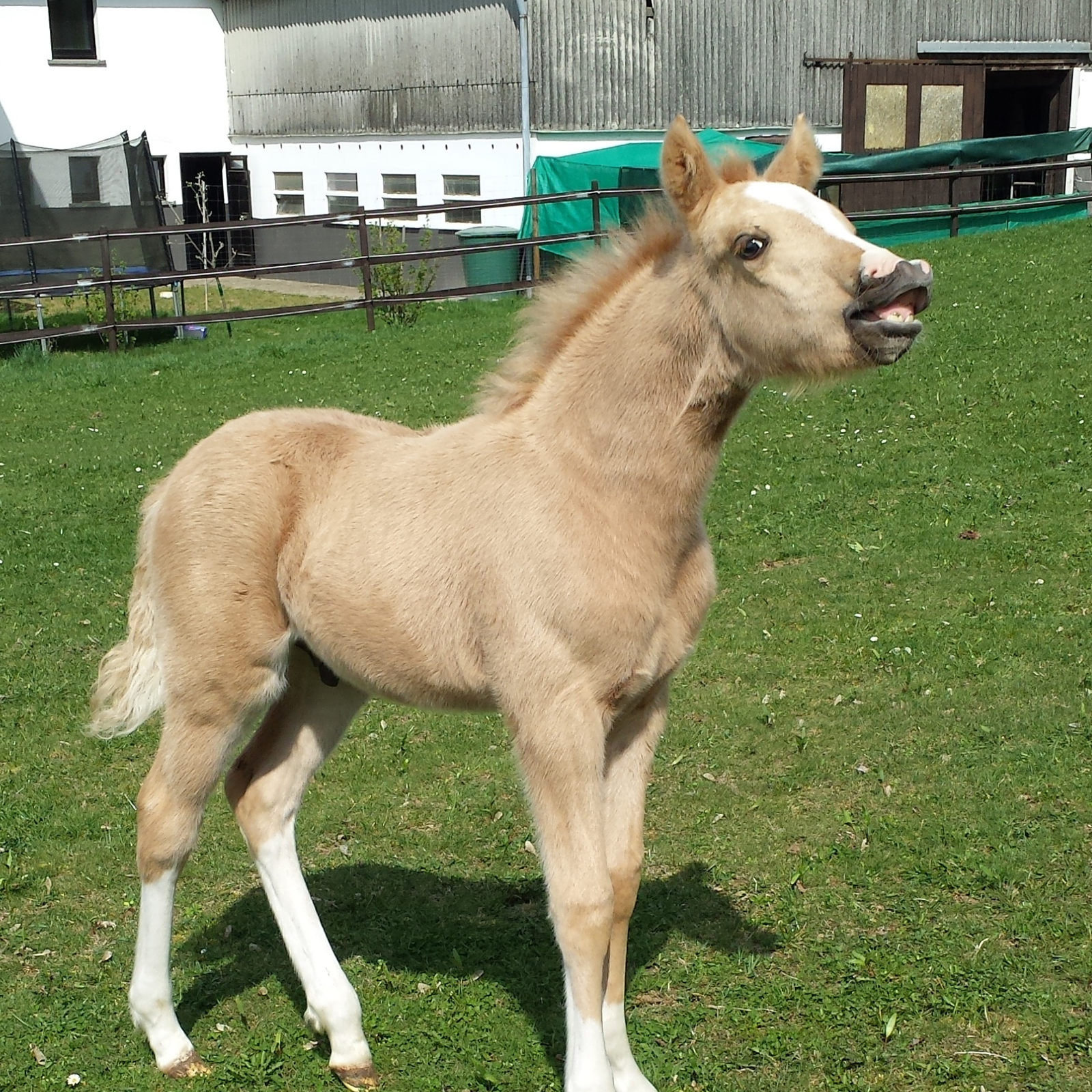
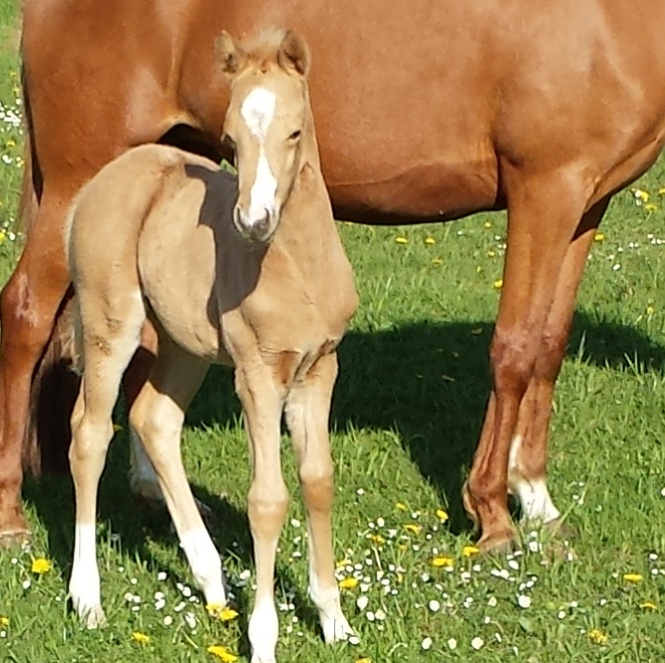
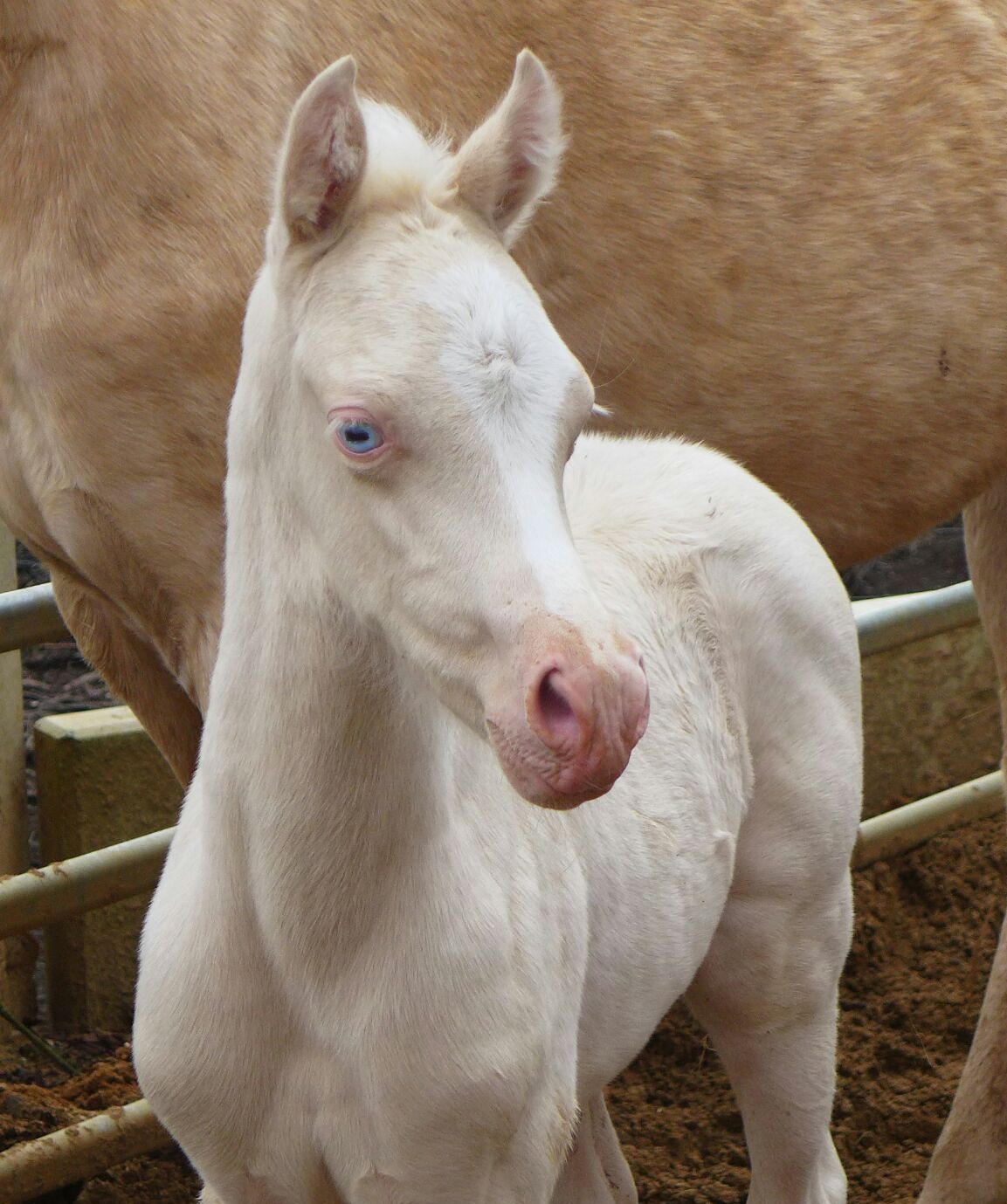
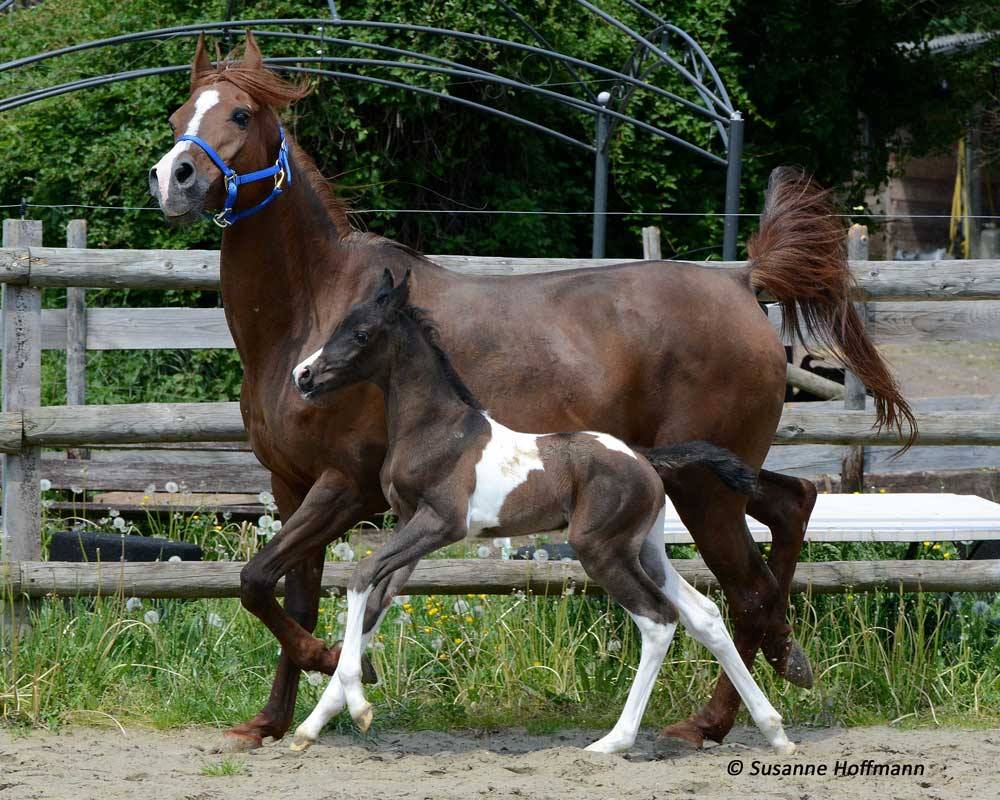
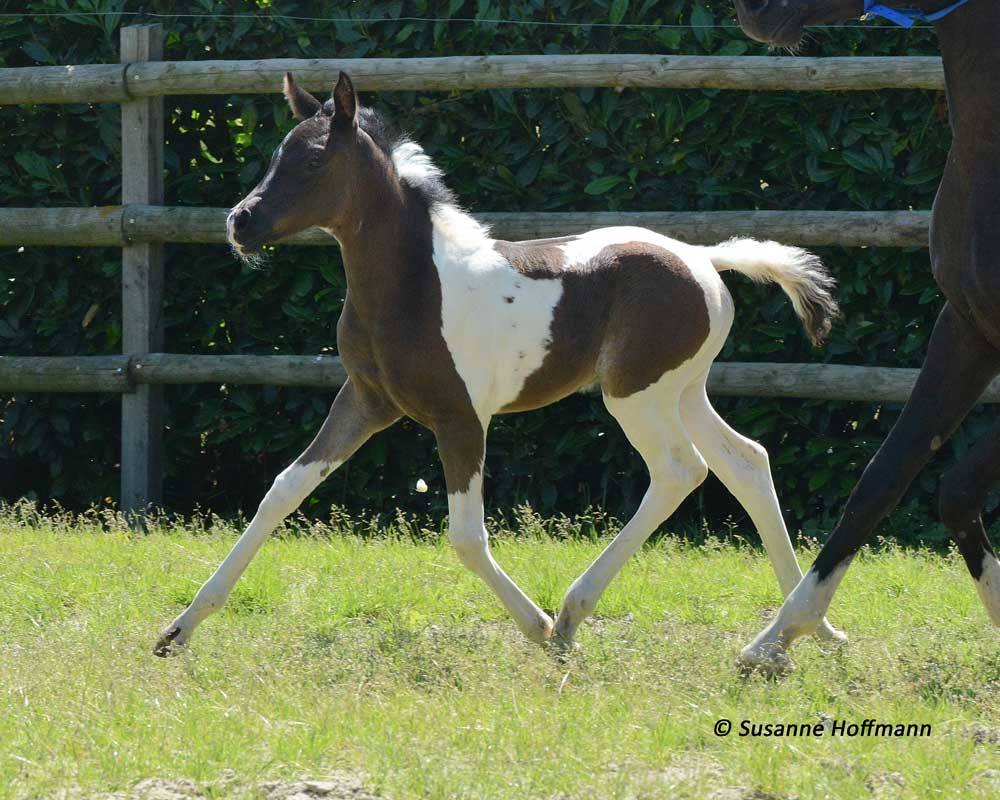
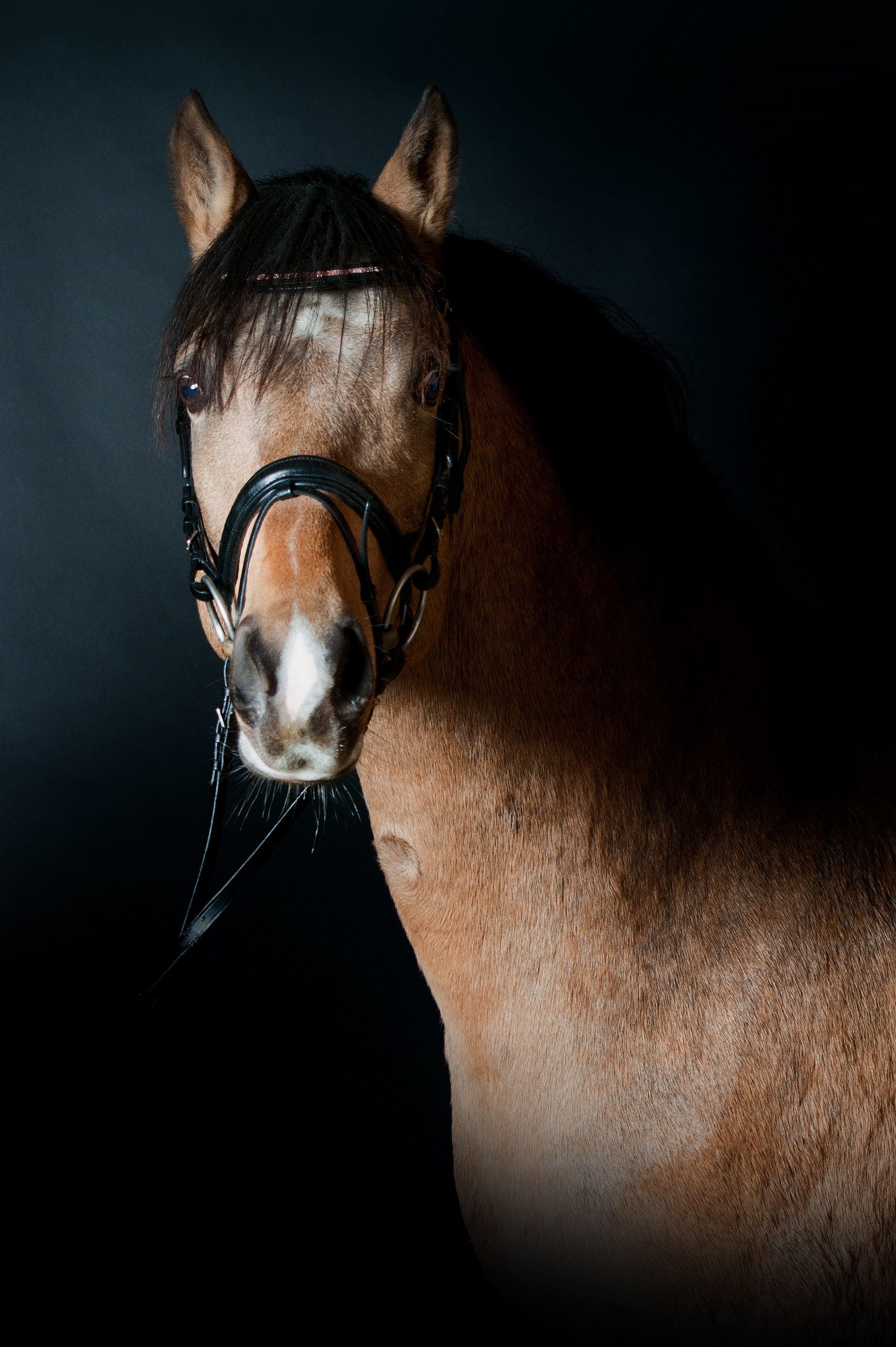
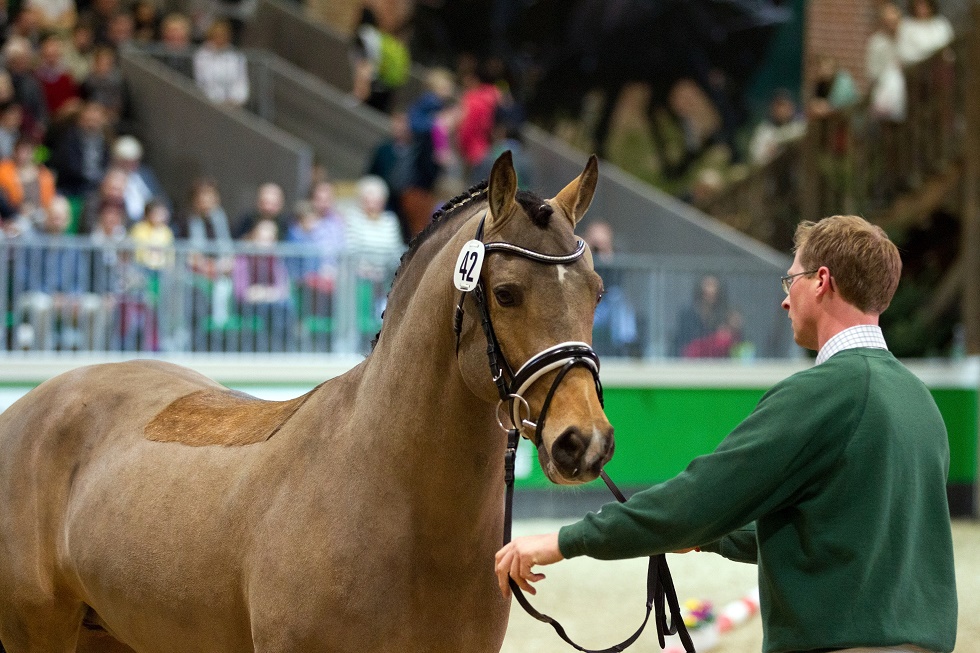
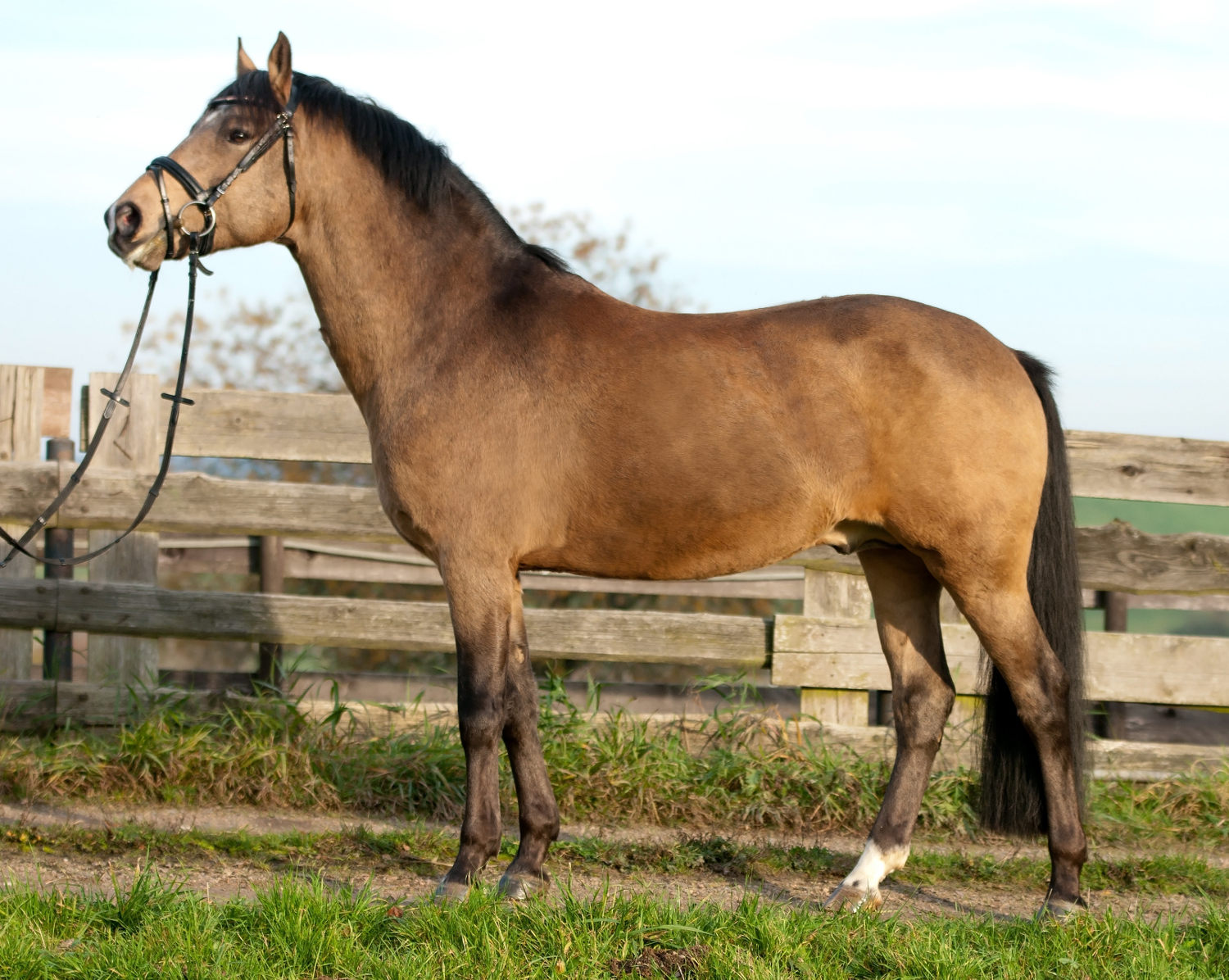
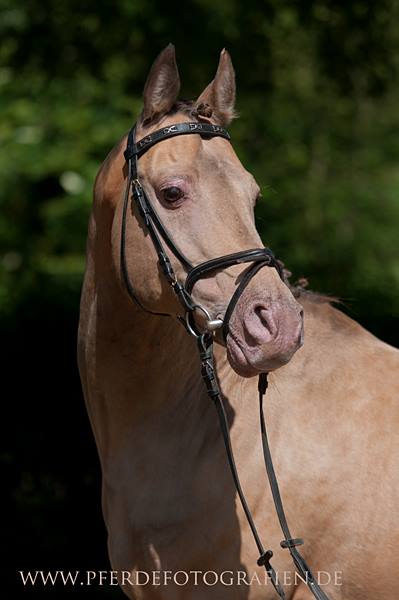
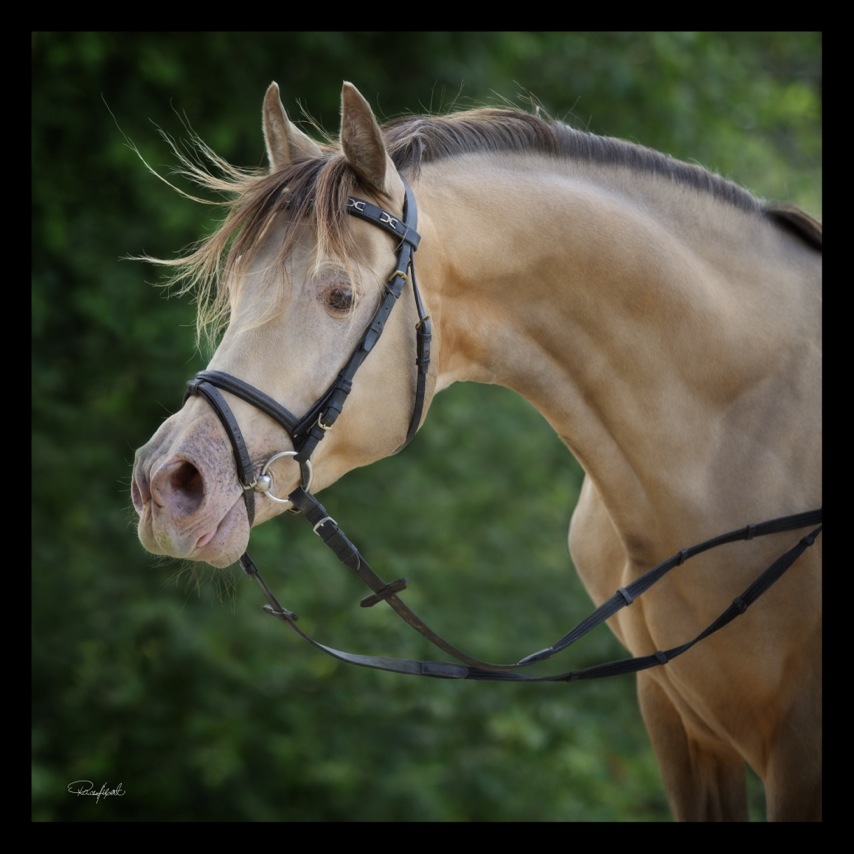
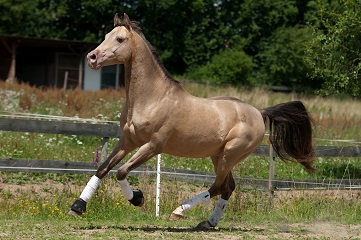
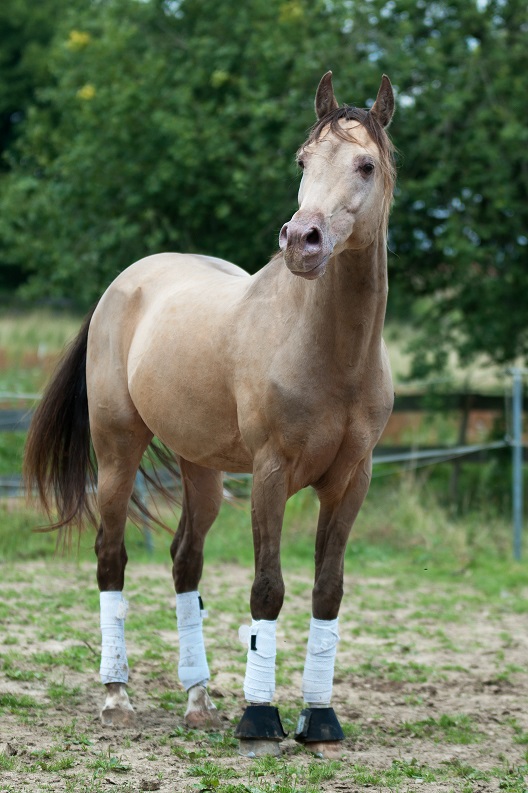
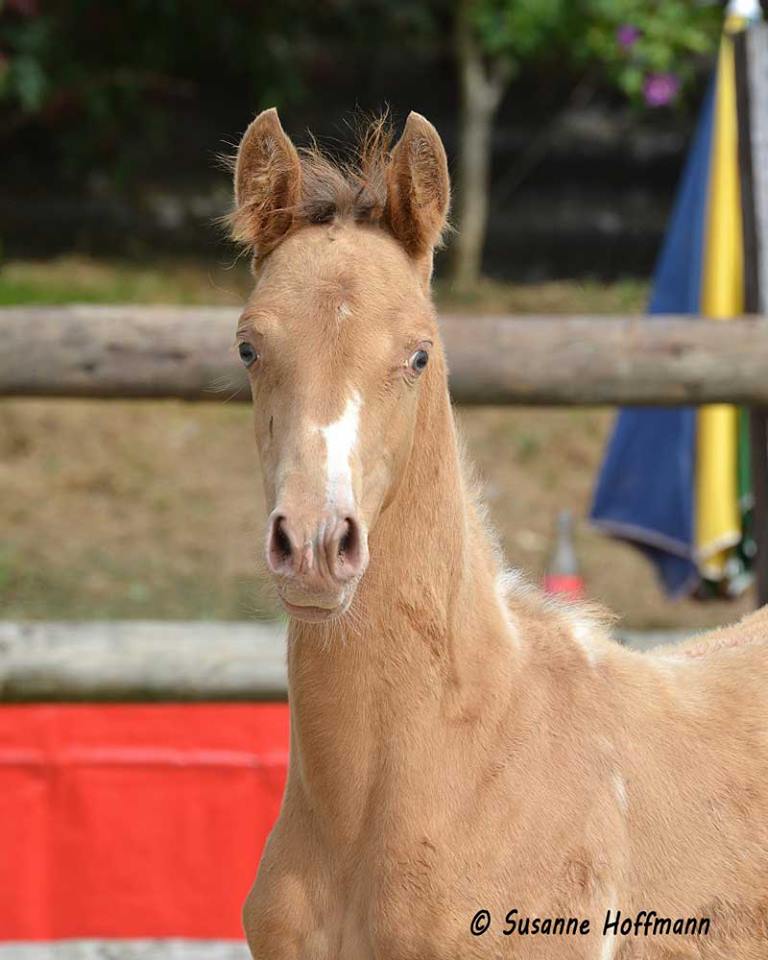
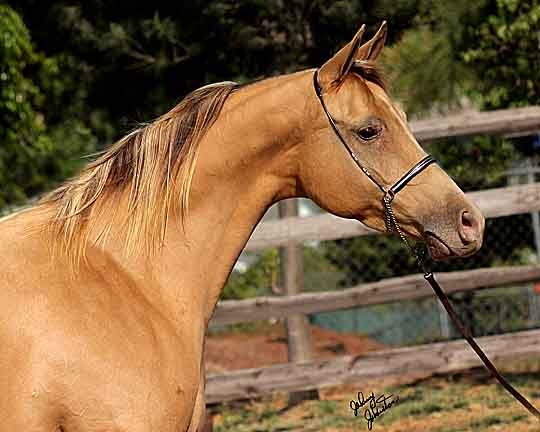
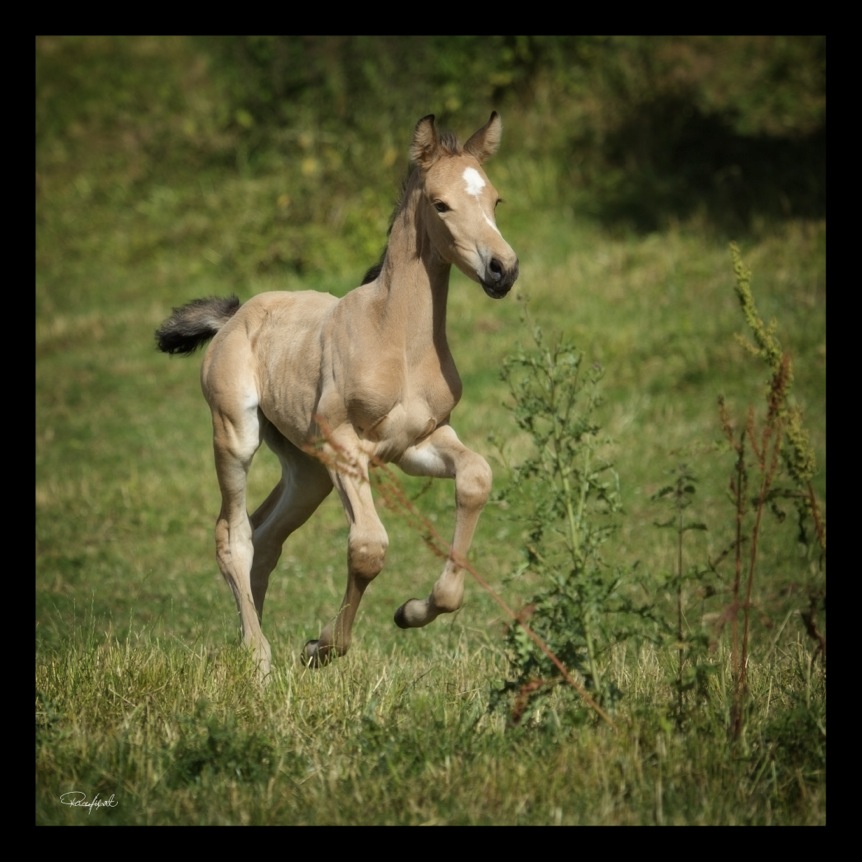
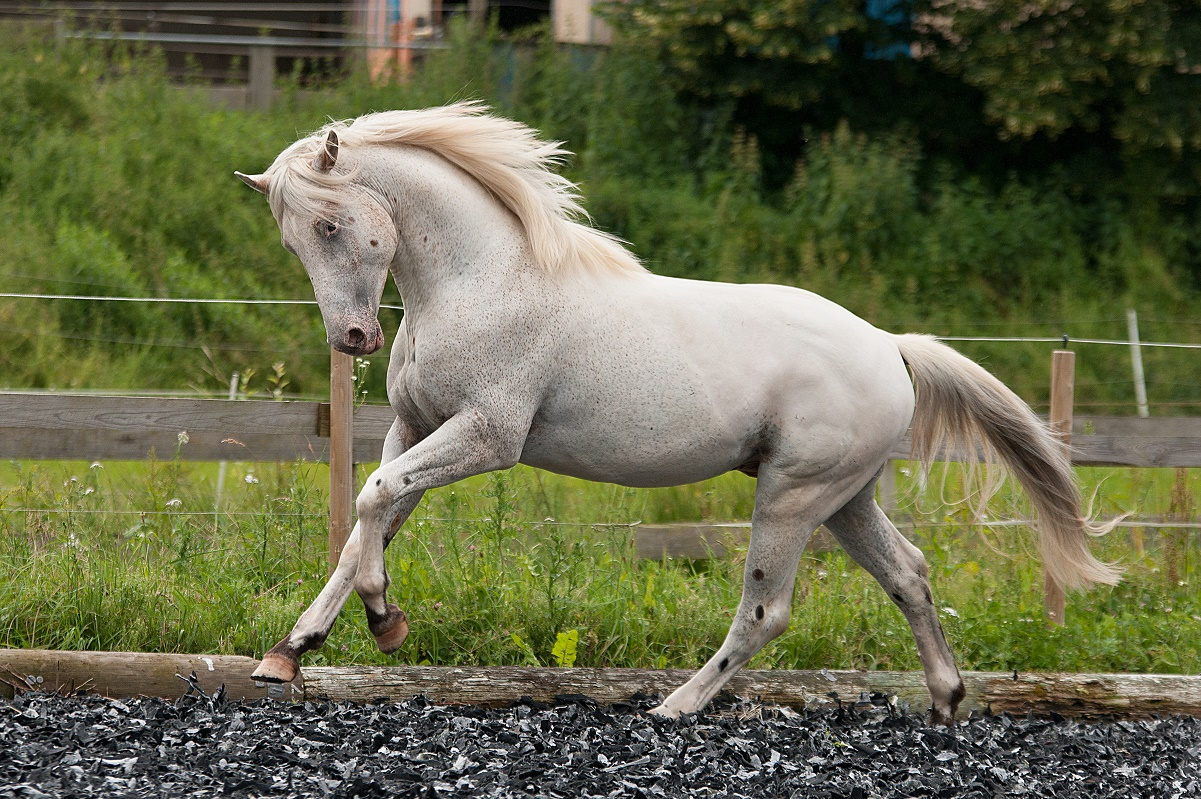
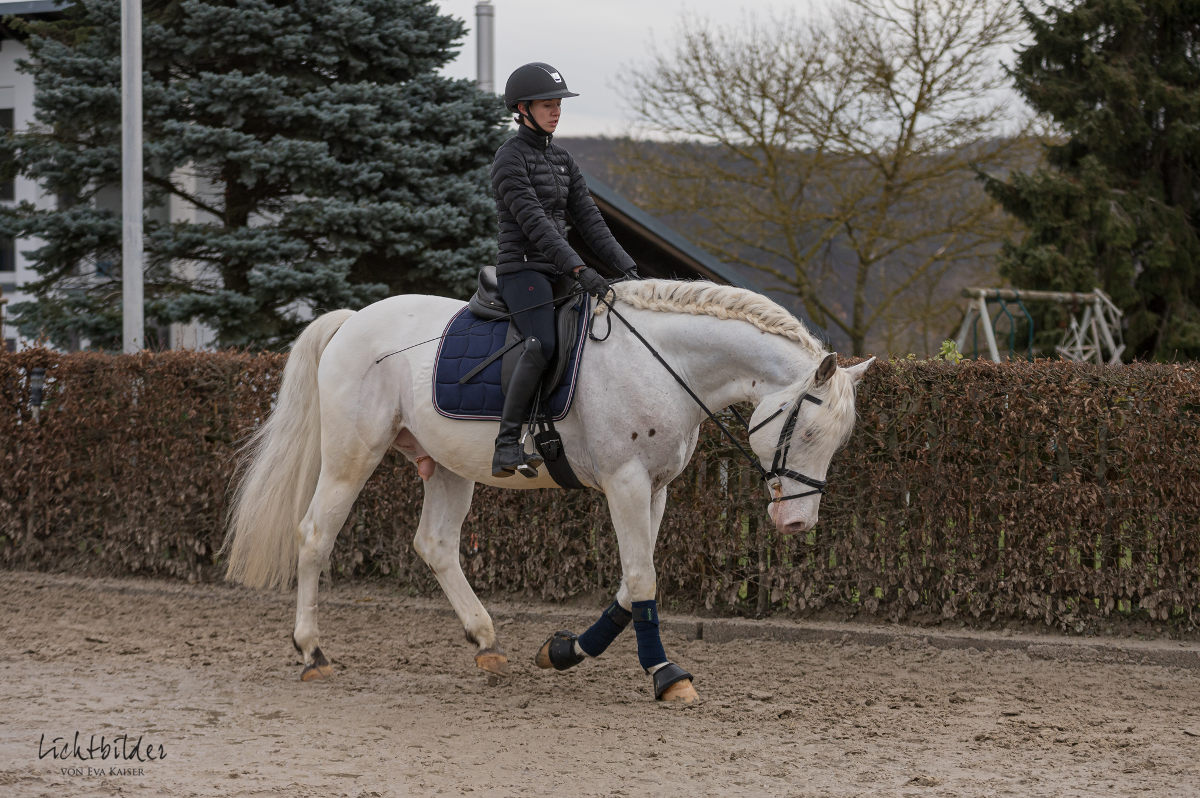
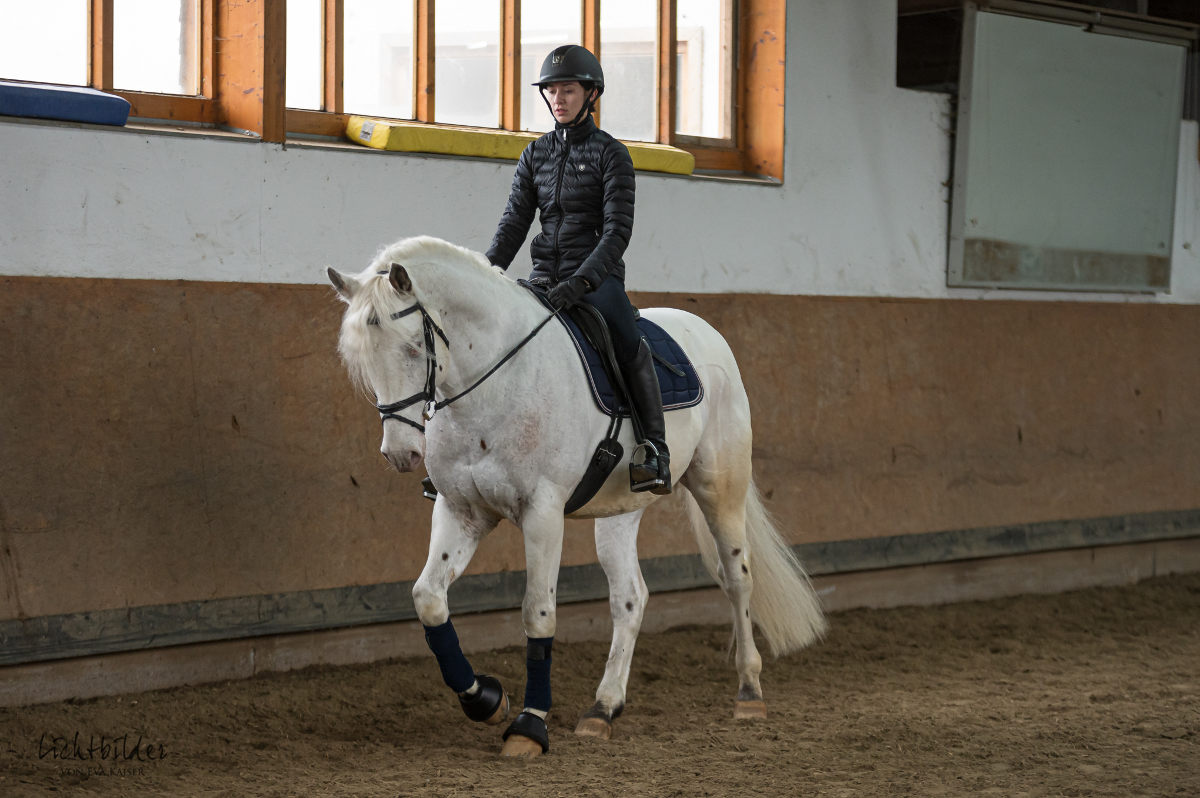
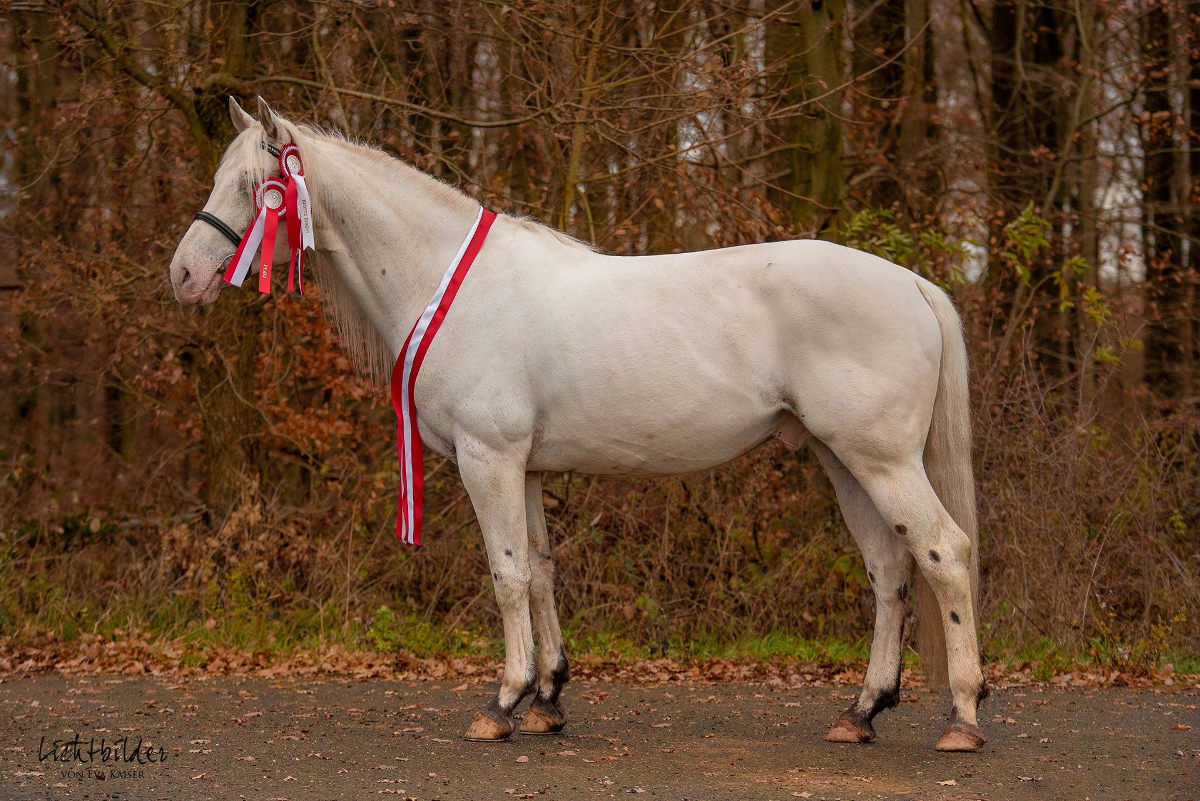
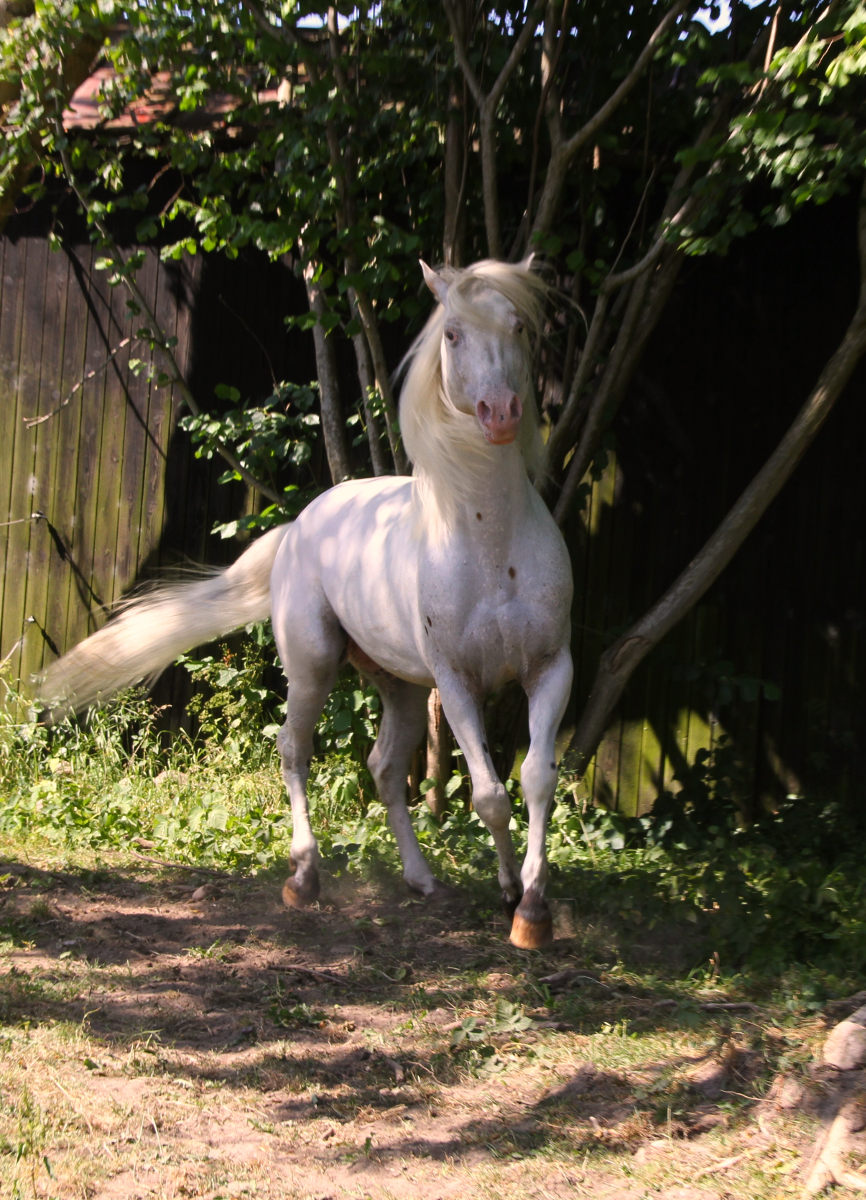
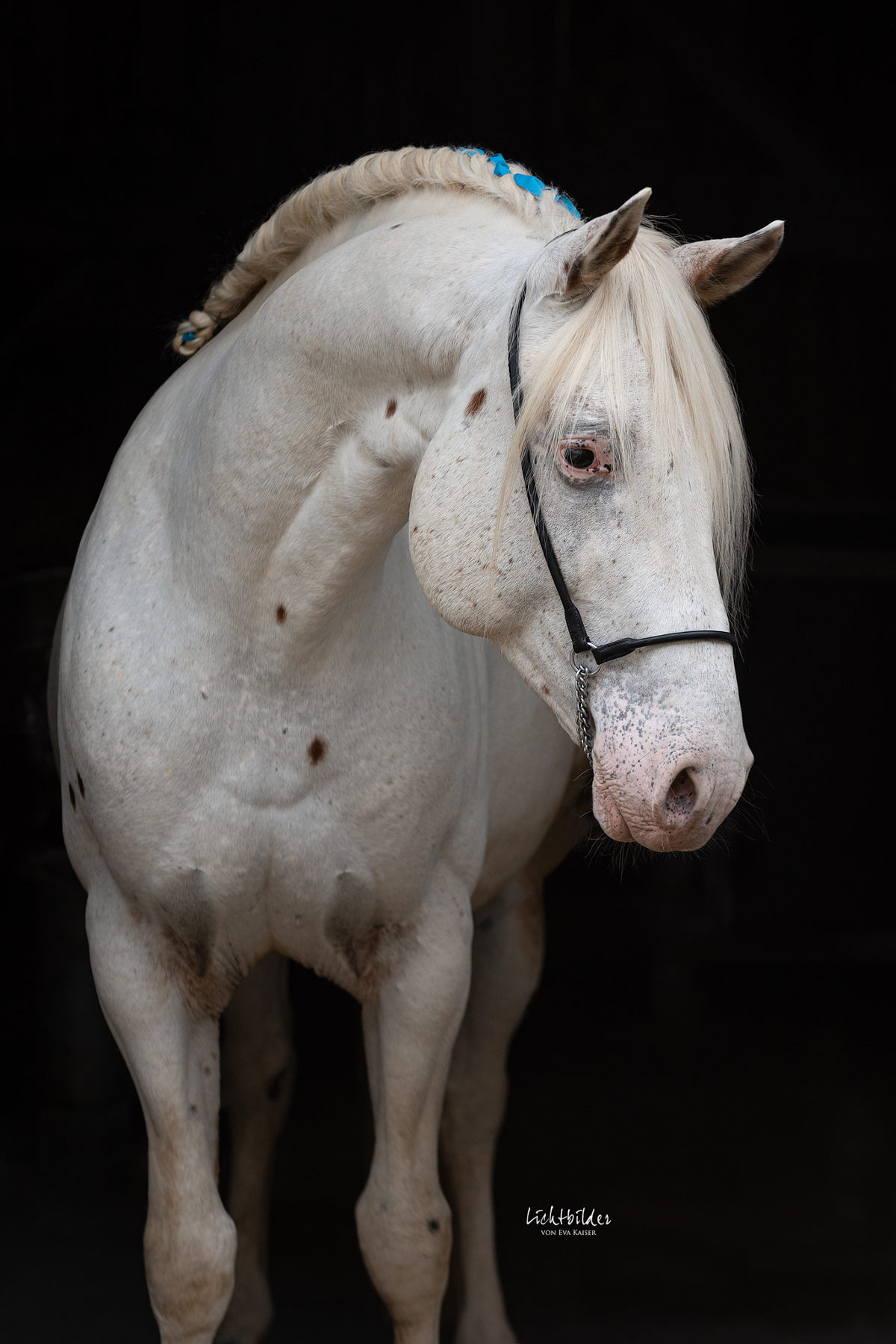
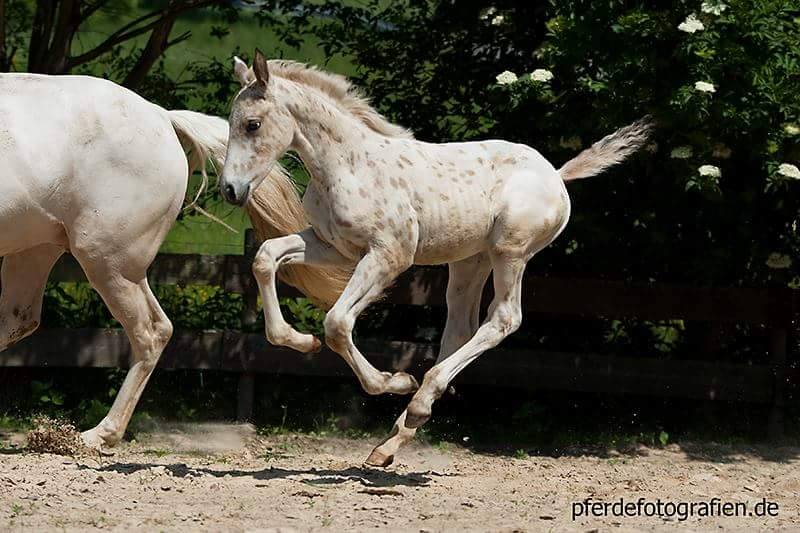
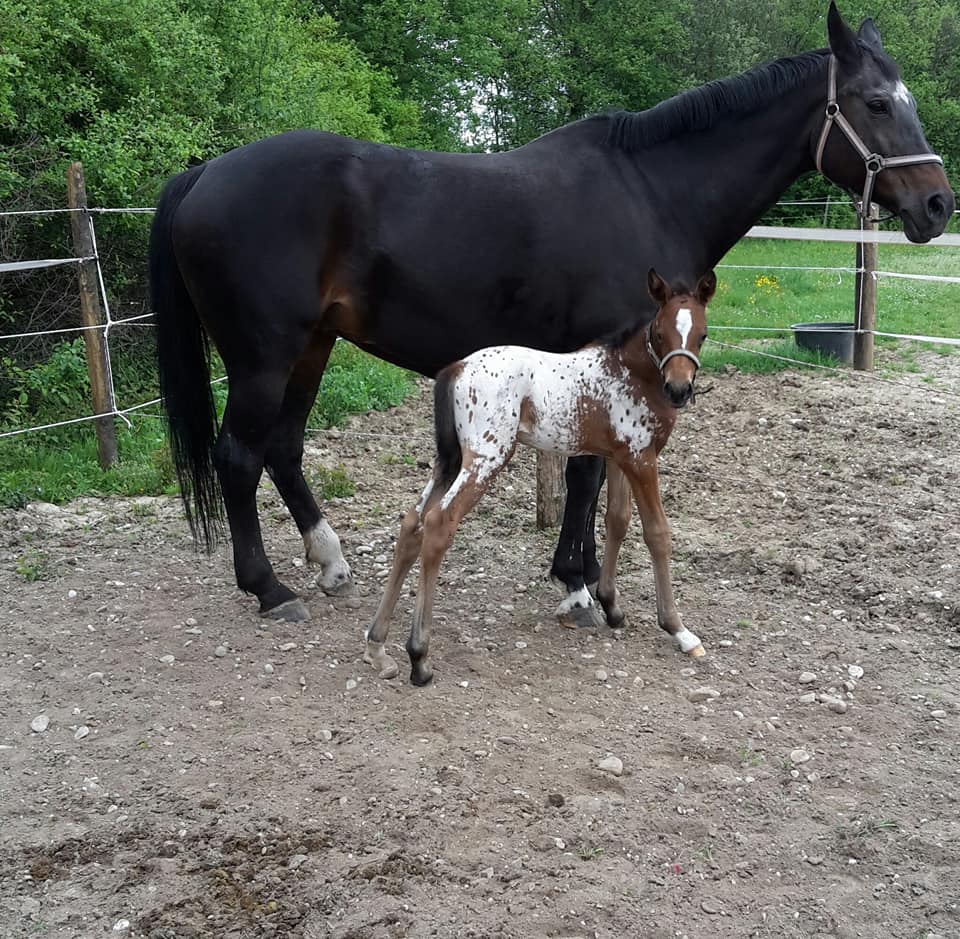
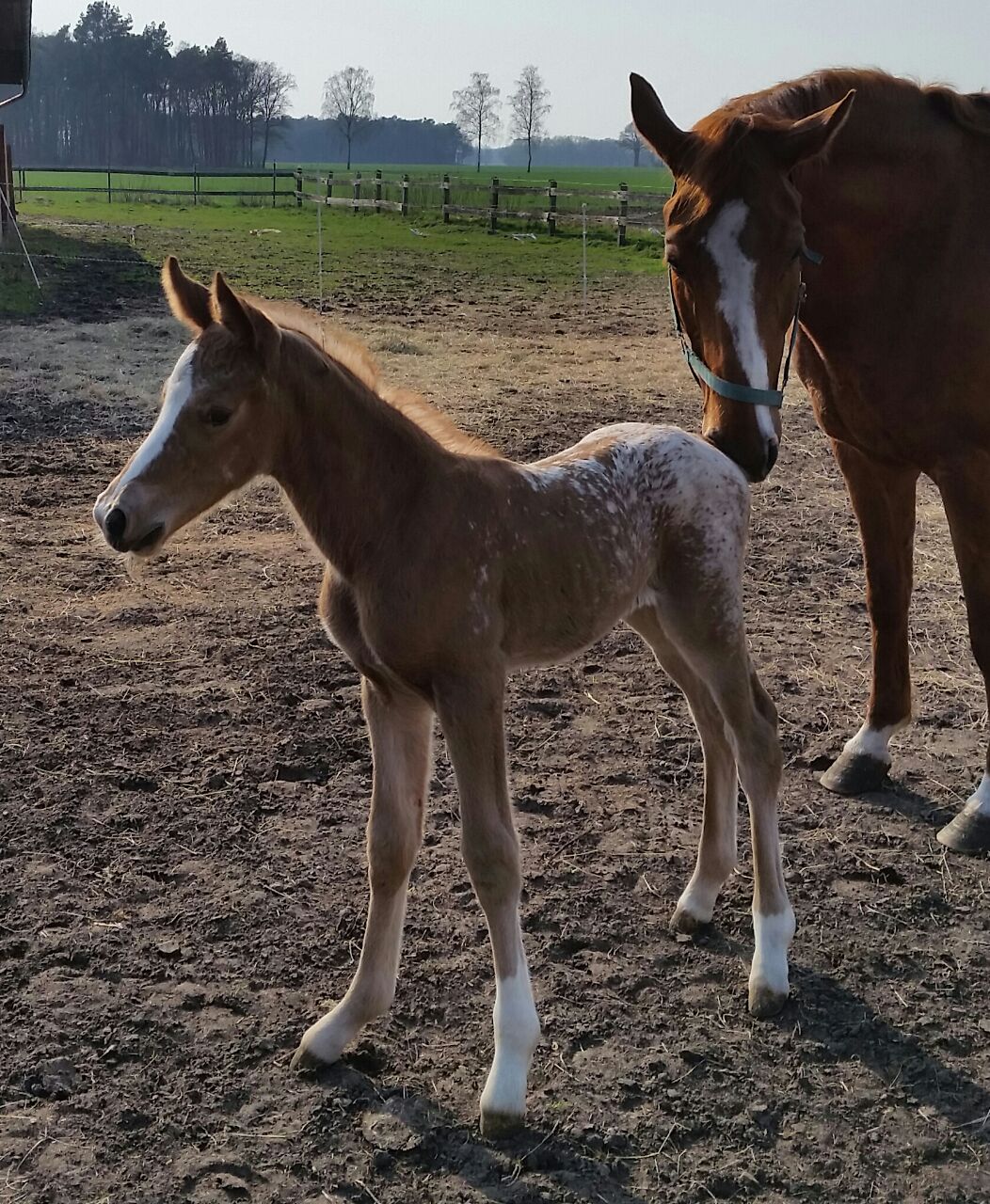
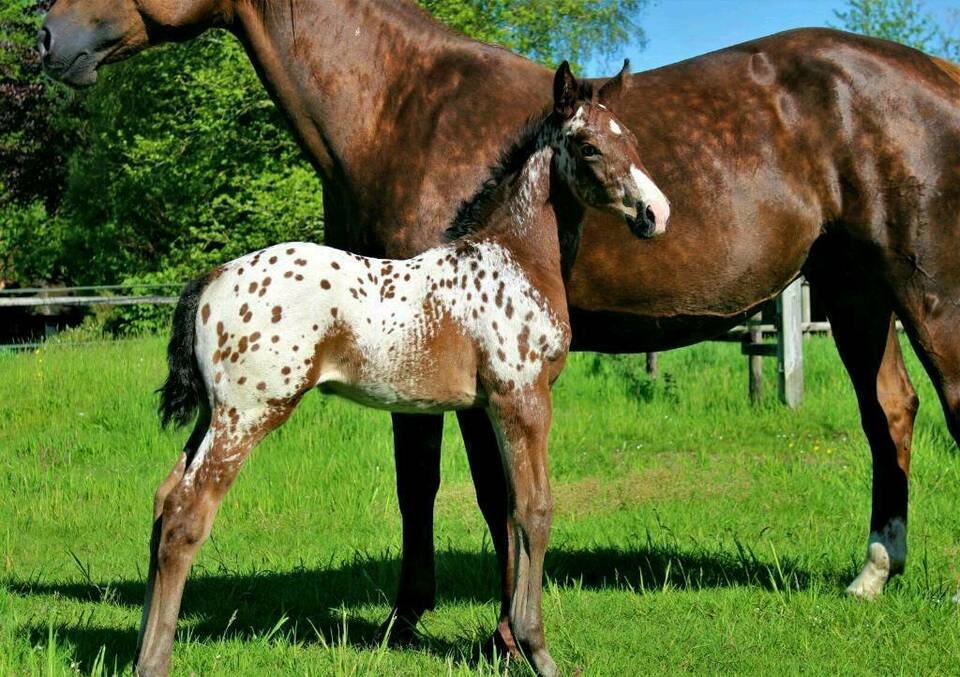
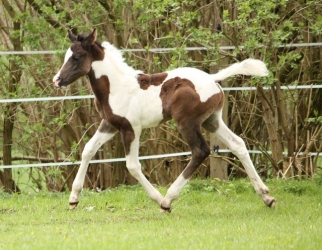
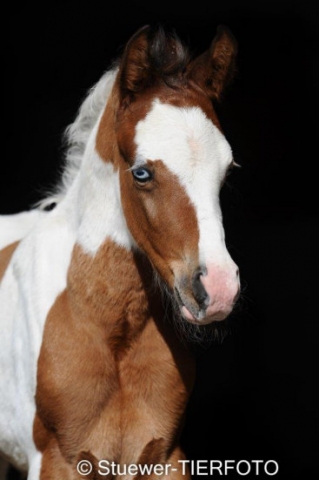
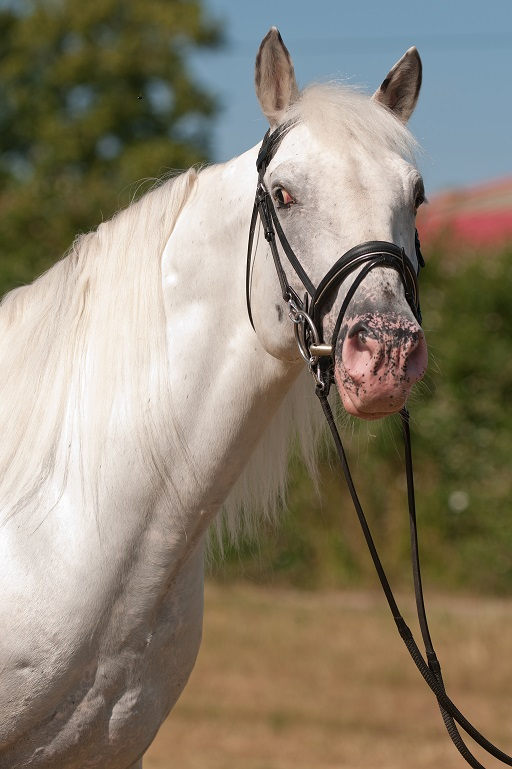
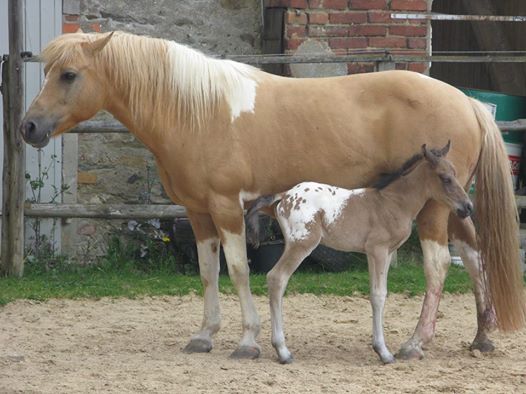
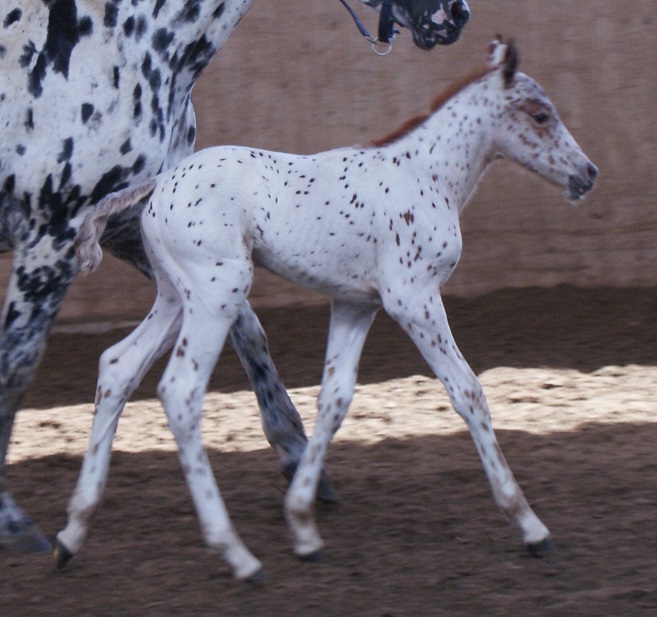
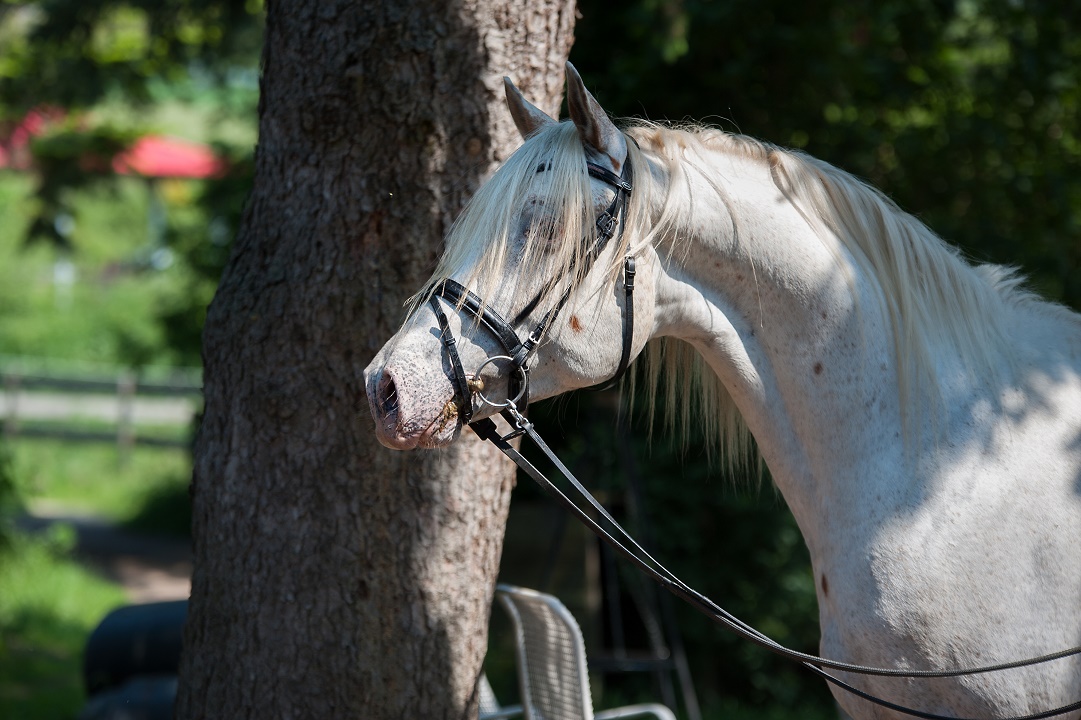
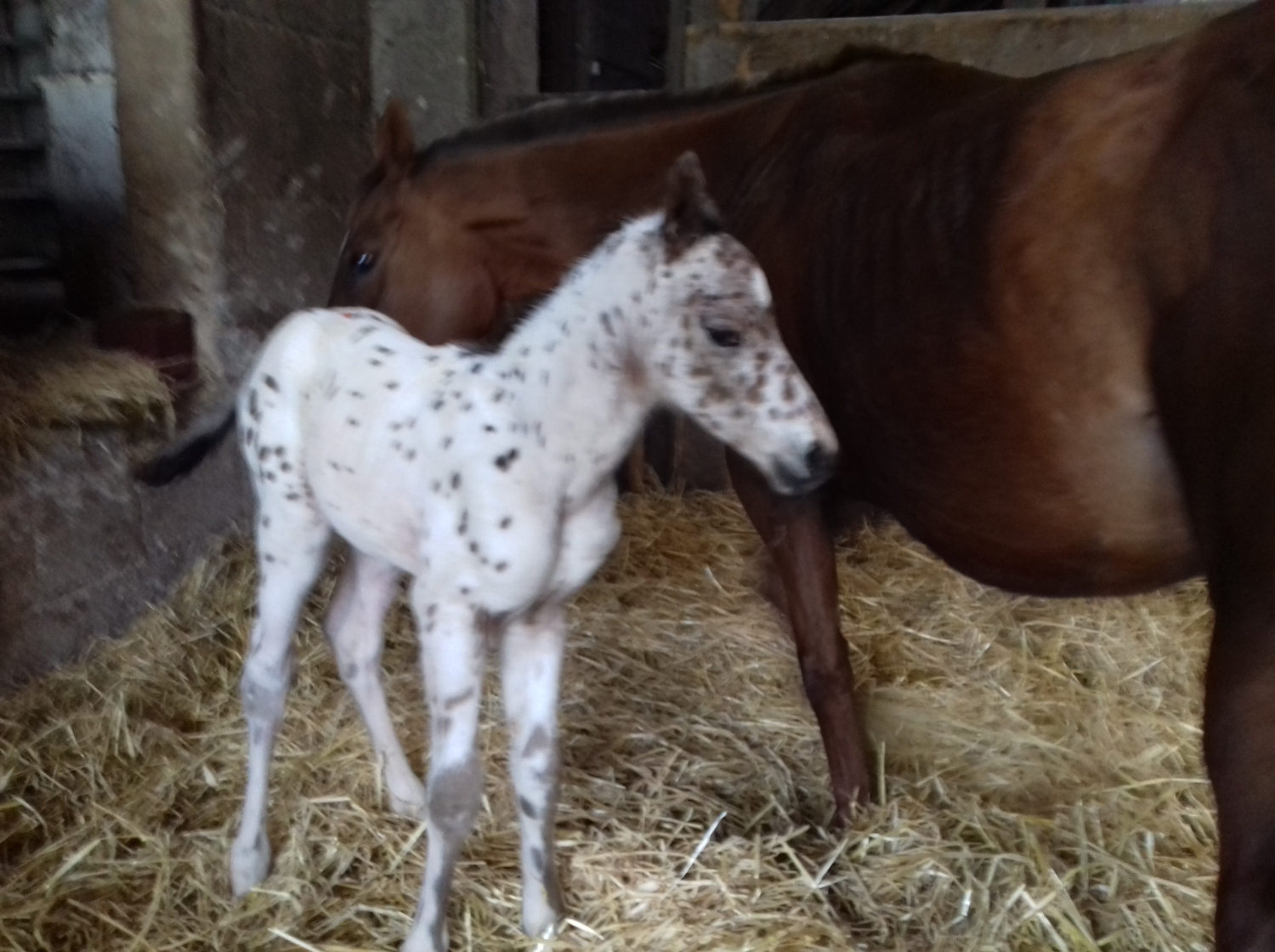
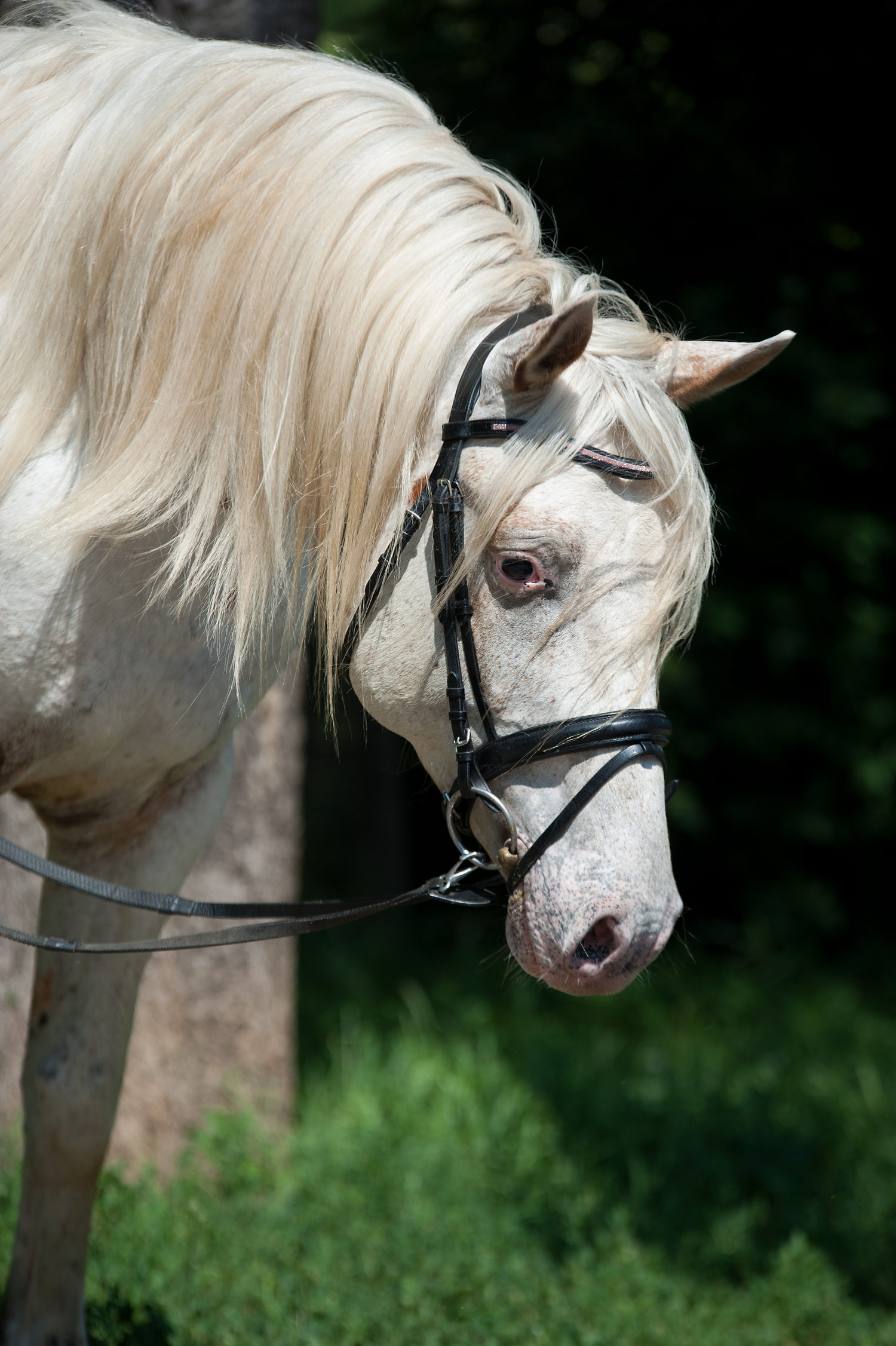
The champagne gene in horses is a dominant mutation that causes a unique dilution of coat color. It lightens both red and black pigments, resulting in distinctive shimmering coat colors such as gold champagne, amber champagne, classic champagne, and sable champagne. Horses with this gene are born with pinkish, freckled skin—especially around the eyes and muzzle—and bright blue eyes that darken to hazel or amber over time.
The coat colors vary depending on the horse’s base color:
-
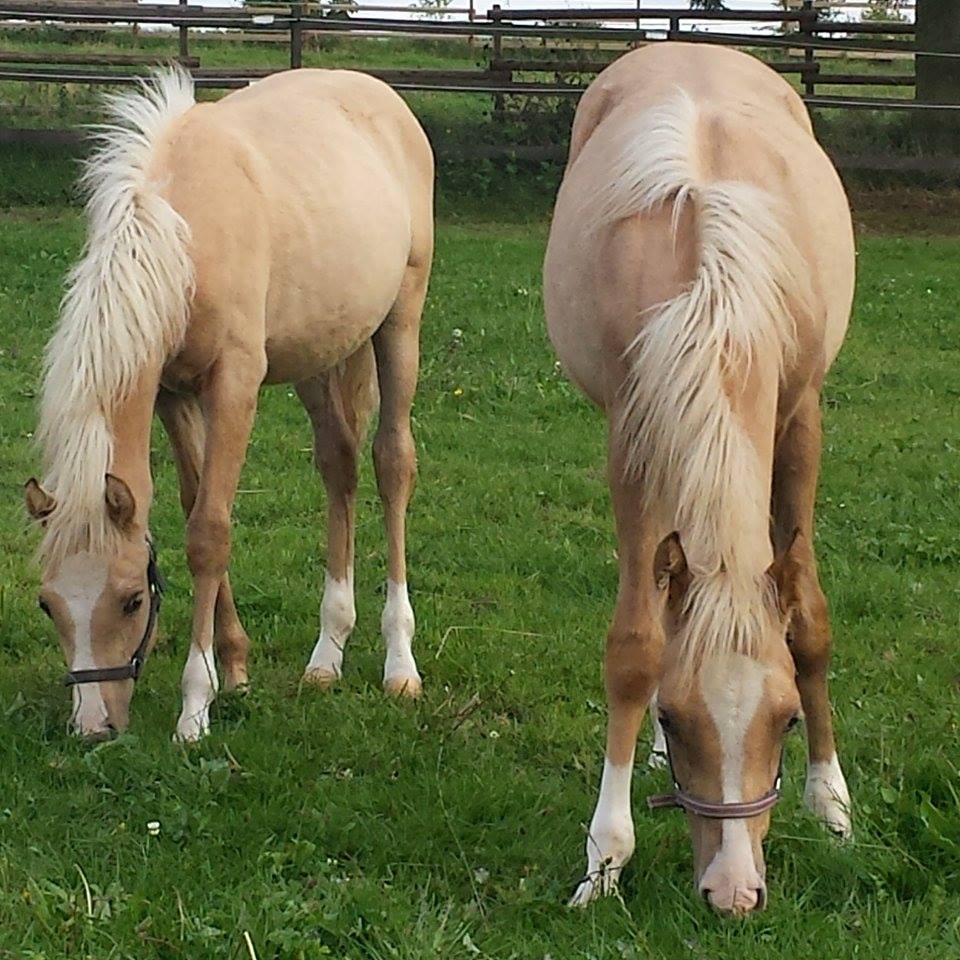
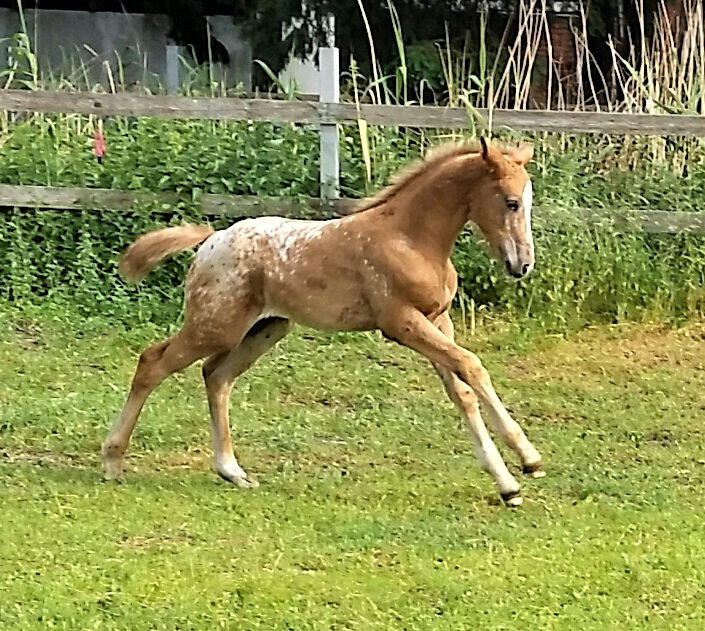
Gold Champagne: A palomino-like golden coat with a flaxen mane and tail.
-
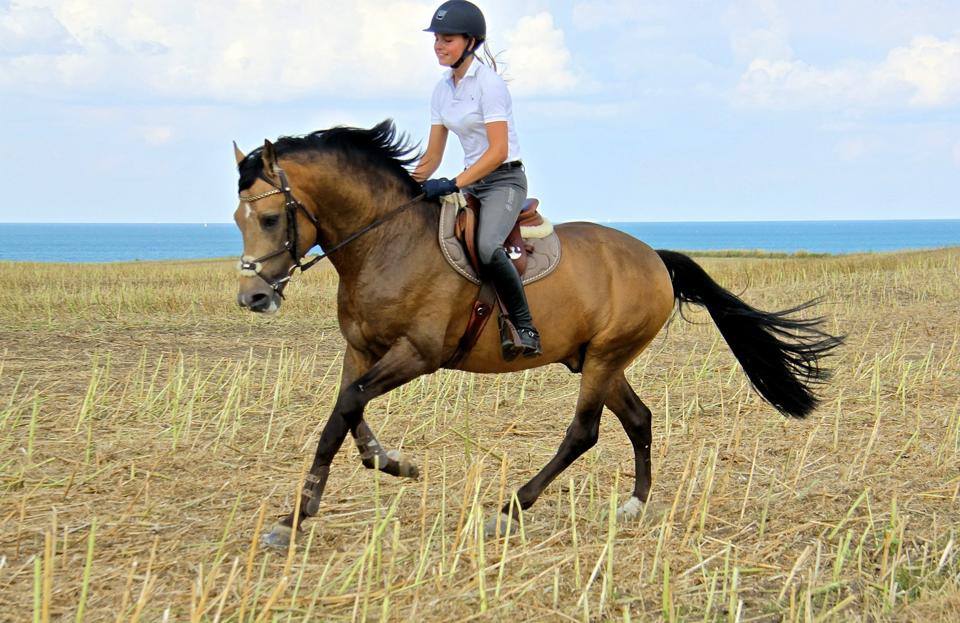
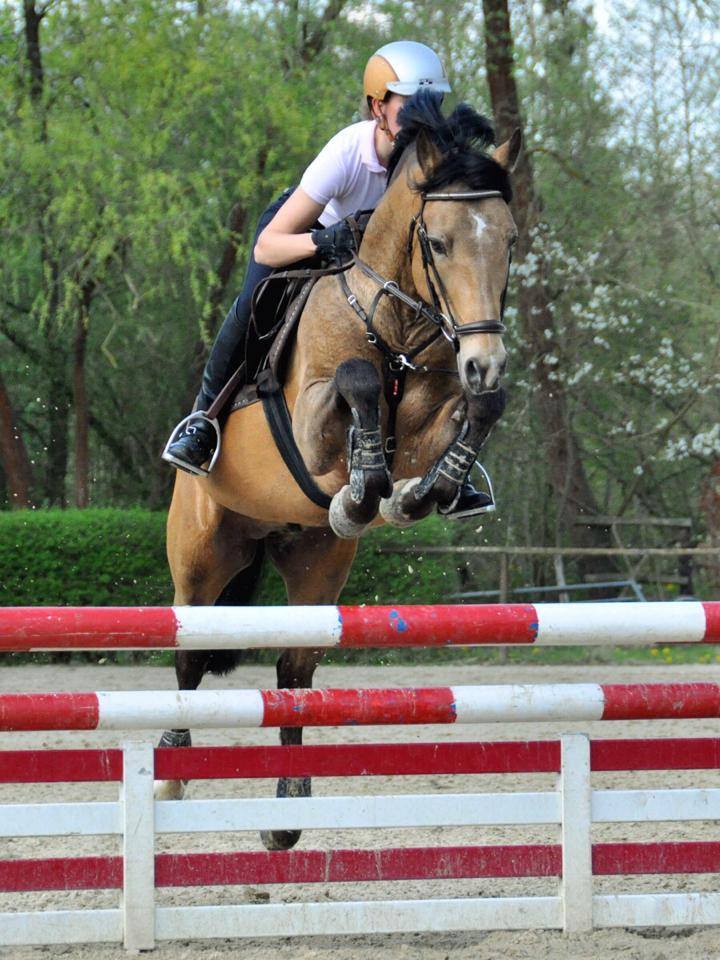
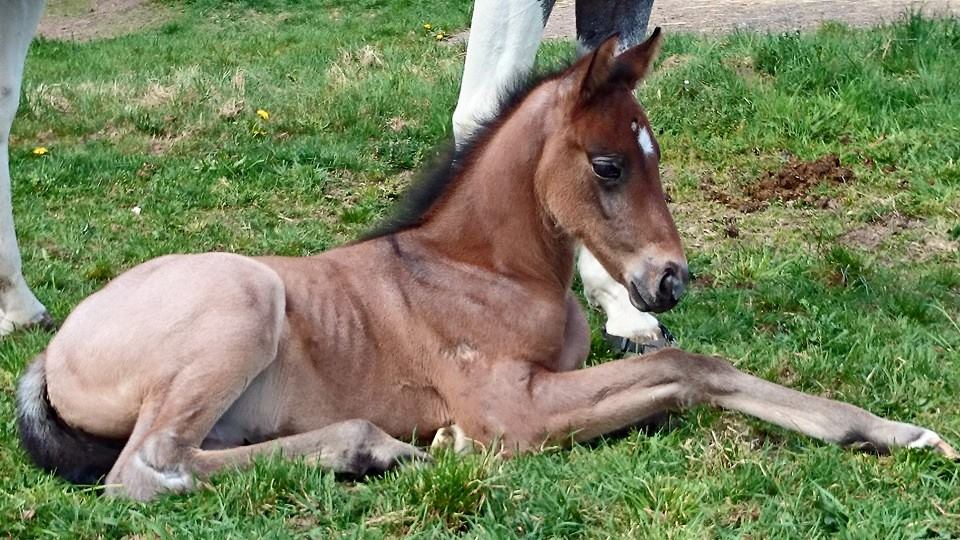
Amber Champagne: A light brown coat with darker brown mane and tail, sometimes called amber buckskin.
-
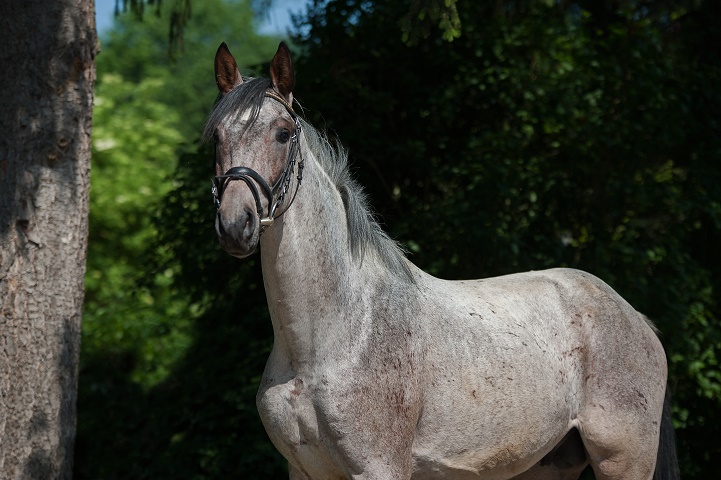
Classic Champagne: A diluted black that appears as greyish or sandy with a brown mane and tail.
-
Sable Champagne: A diluted dark bay or blackish coat with dark mane and tail.
Originally, the champagne gene was found primarily in American breeds like the American Cream Draft, Quarter Horse, Tennessee Walking Horse, American Saddlebred, and Missouri Fox Trotter. However, it has become increasingly popular and is now bred into many other breeds worldwide through crossbreeding. Breeders across the globe seek to produce champagne-colored horses, making this rare and attractive color more common beyond its American origins.
The champagne gene is inherited in a dominant fashion:
-
A horse with one copy of the gene (heterozygous) will express the champagne coloration and has about a 50% chance to pass the gene to each offspring.
-
A horse with two copies of the gene (homozygous) may exhibit a slightly lighter coat color and fewer dark freckles on the pink skin, though the difference to heterozygotes is often subtle.
One reason the champagne gene is even more desirable than the cream gene is that its distinctive dilution is visible on all base colors. In contrast, other dilution genes like smoky black and dark buckskin only show their effects on certain base colors, making them less versatile. This universality adds to the uniqueness and appeal of champagne-colored horses, which is why breeders worldwide are increasingly eager to incorporate this gene into their breeding programs.
In summary, the champagne gene creates a rare and beautiful diluted coat color with distinctive skin and eye features. Though it originated in American horse breeds, it is now highly sought after and bred internationally to produce unique and eye-catching horses.
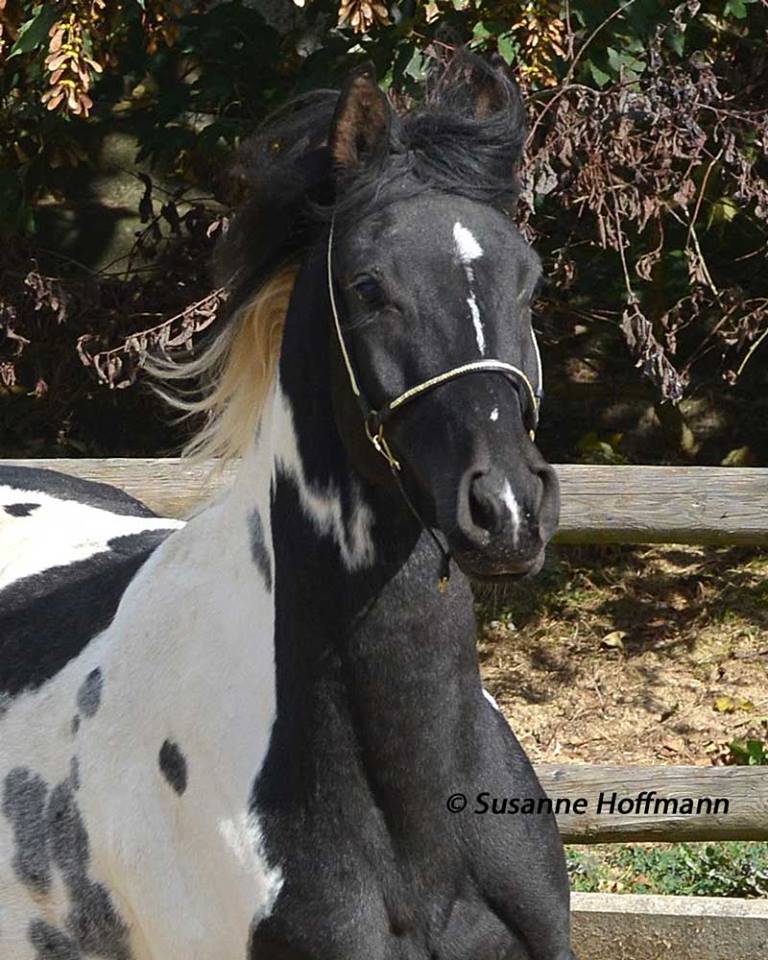
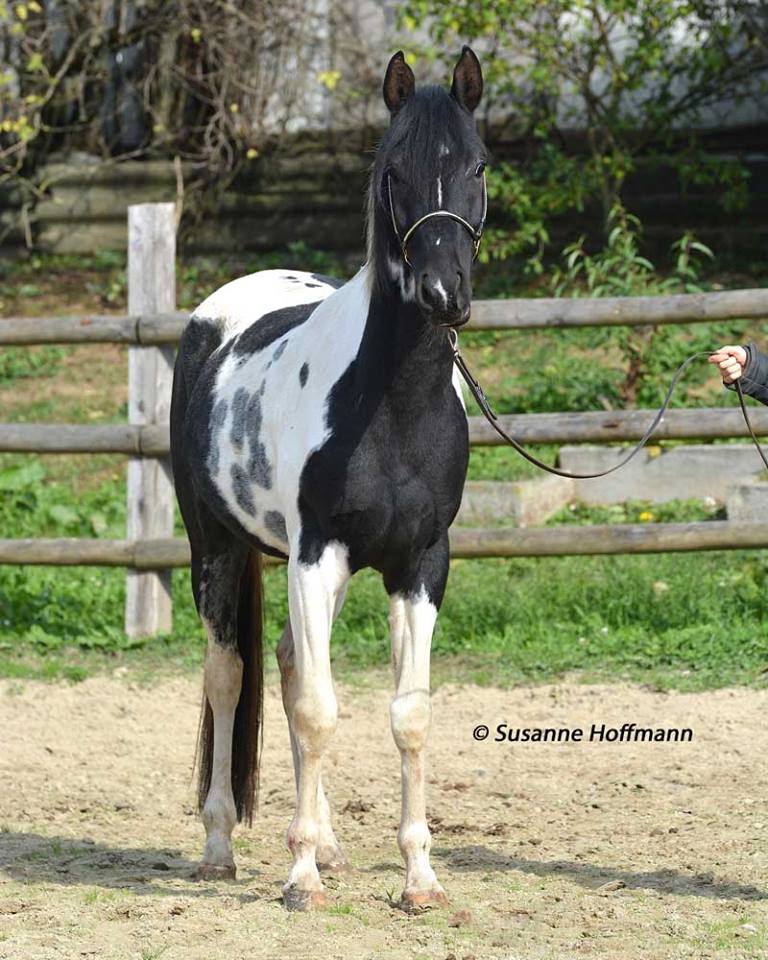
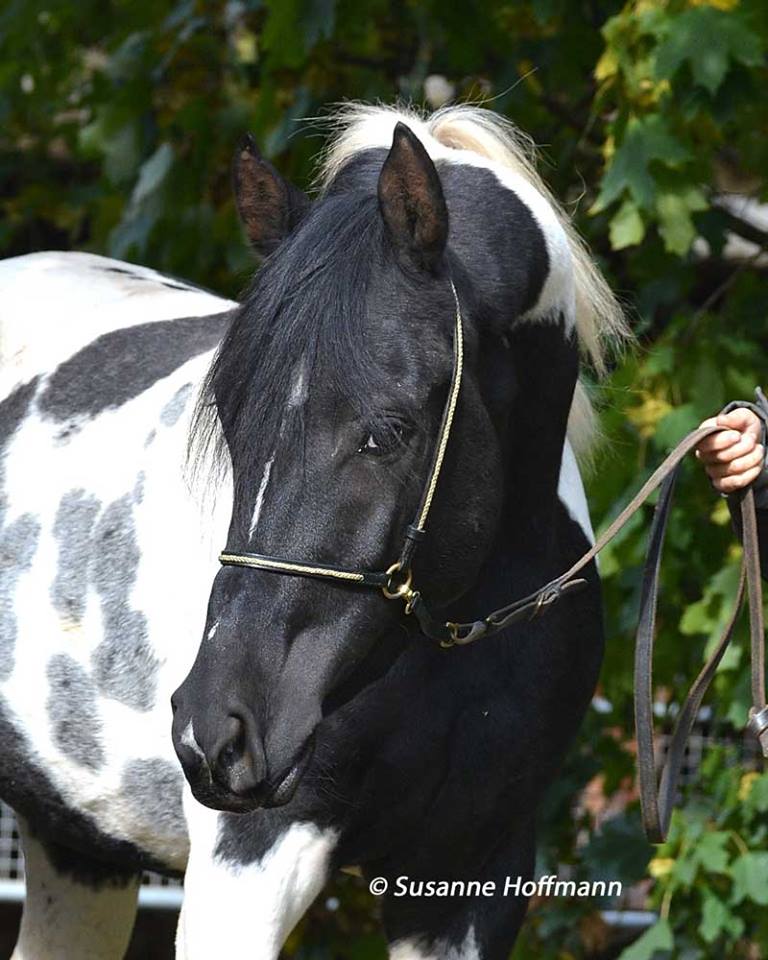
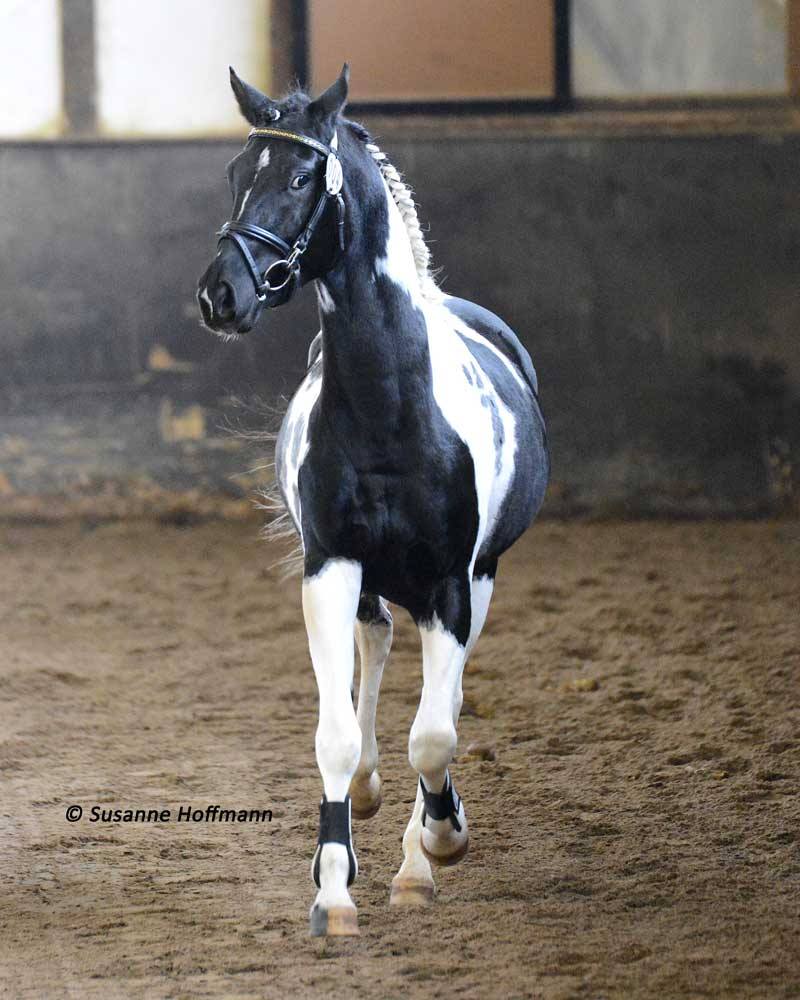
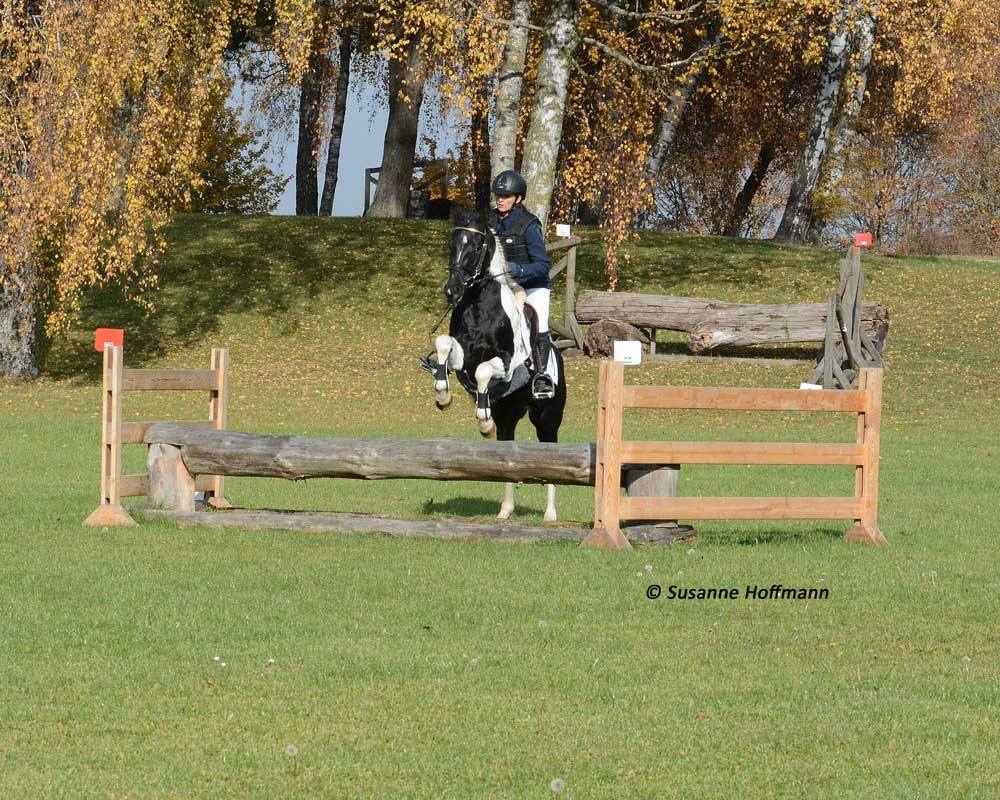
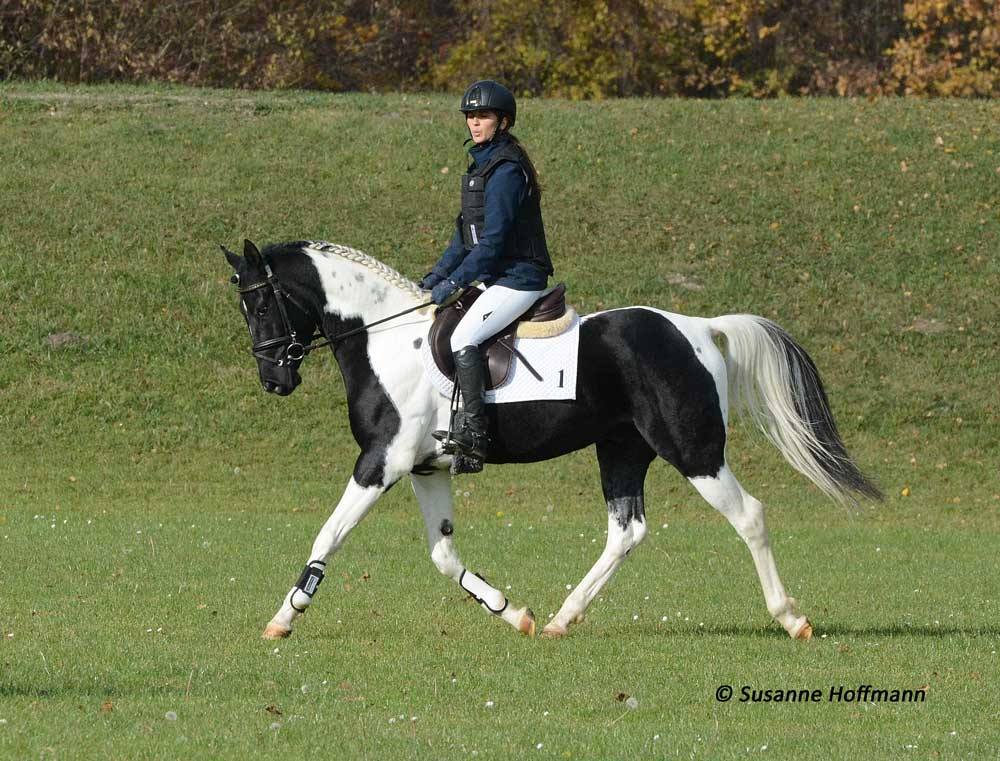
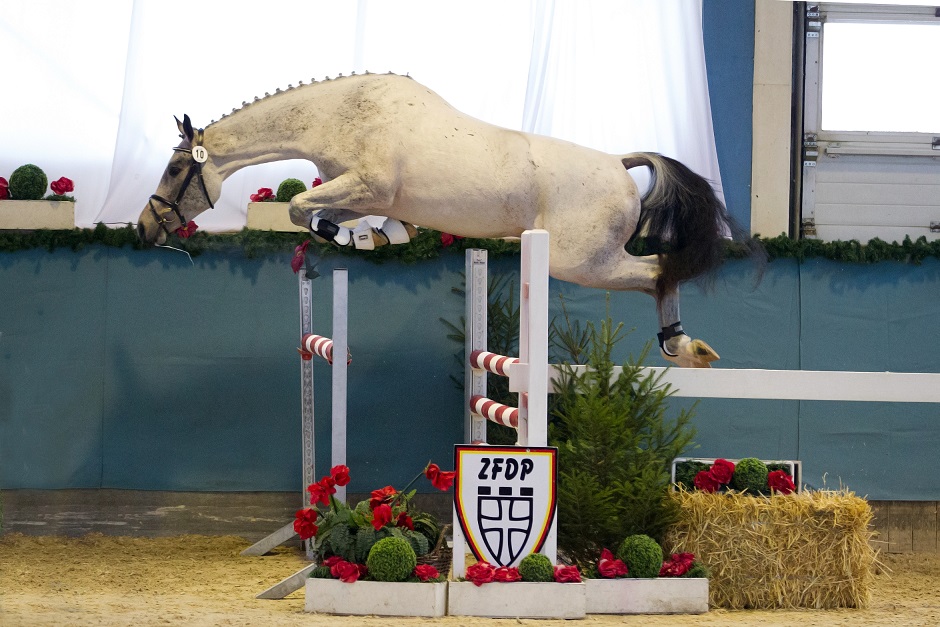
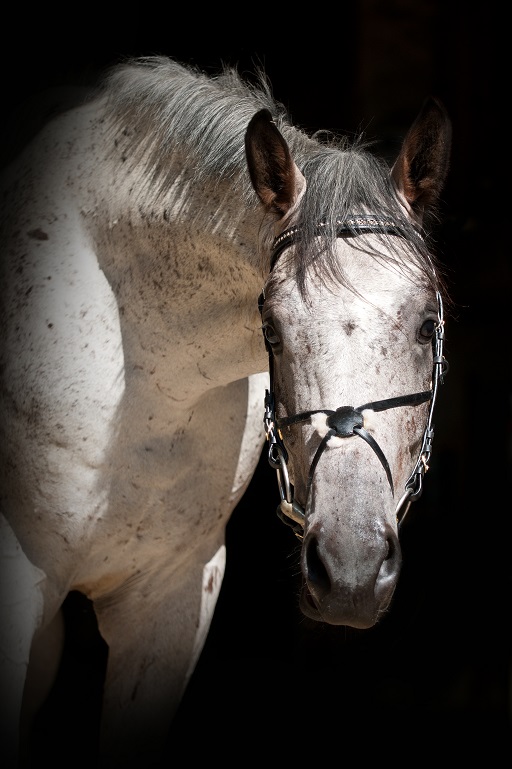
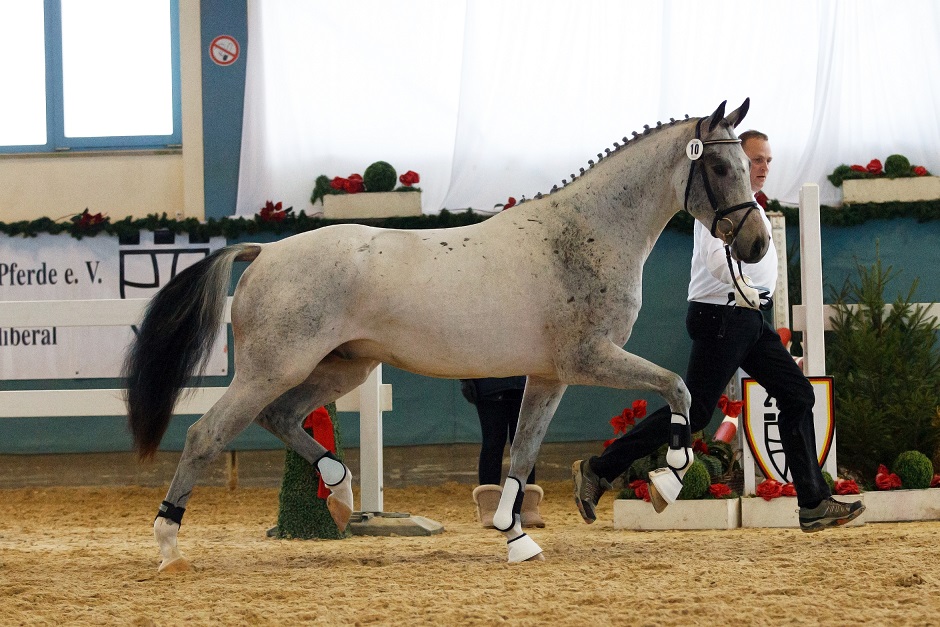
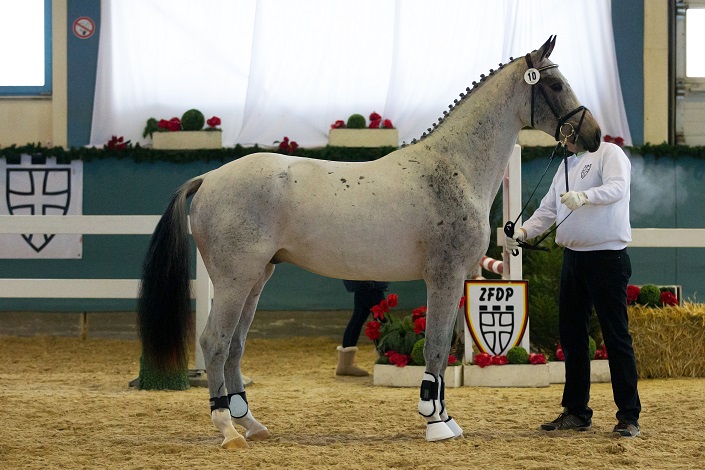
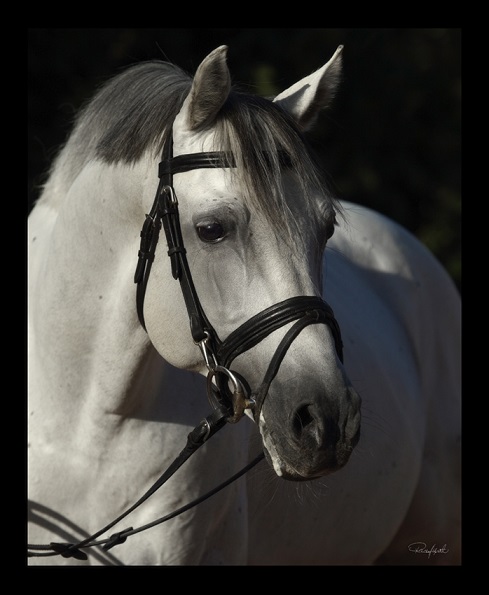
For which breeds could a partbred Arabian like Khalvin Khlein be used?
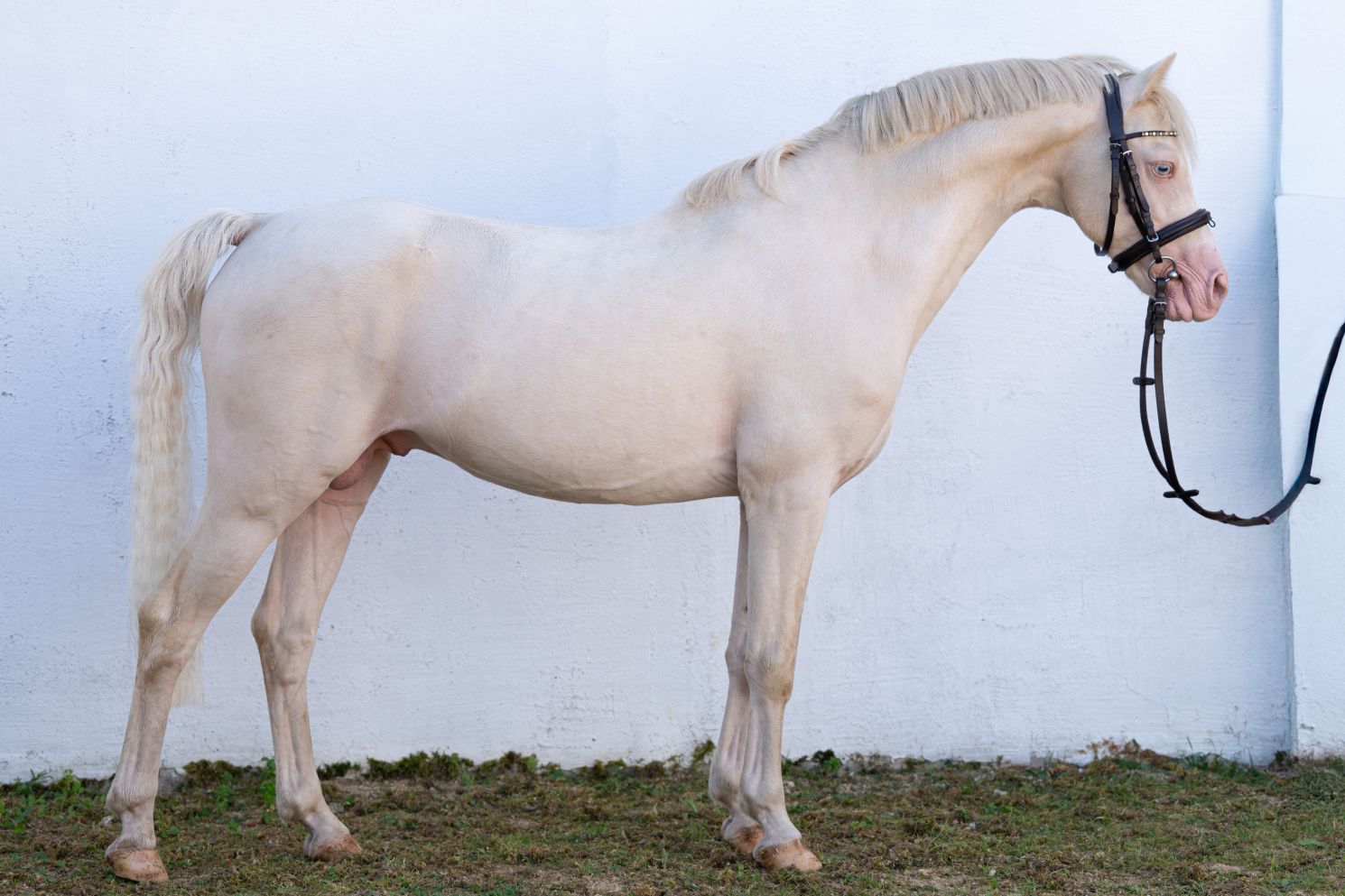
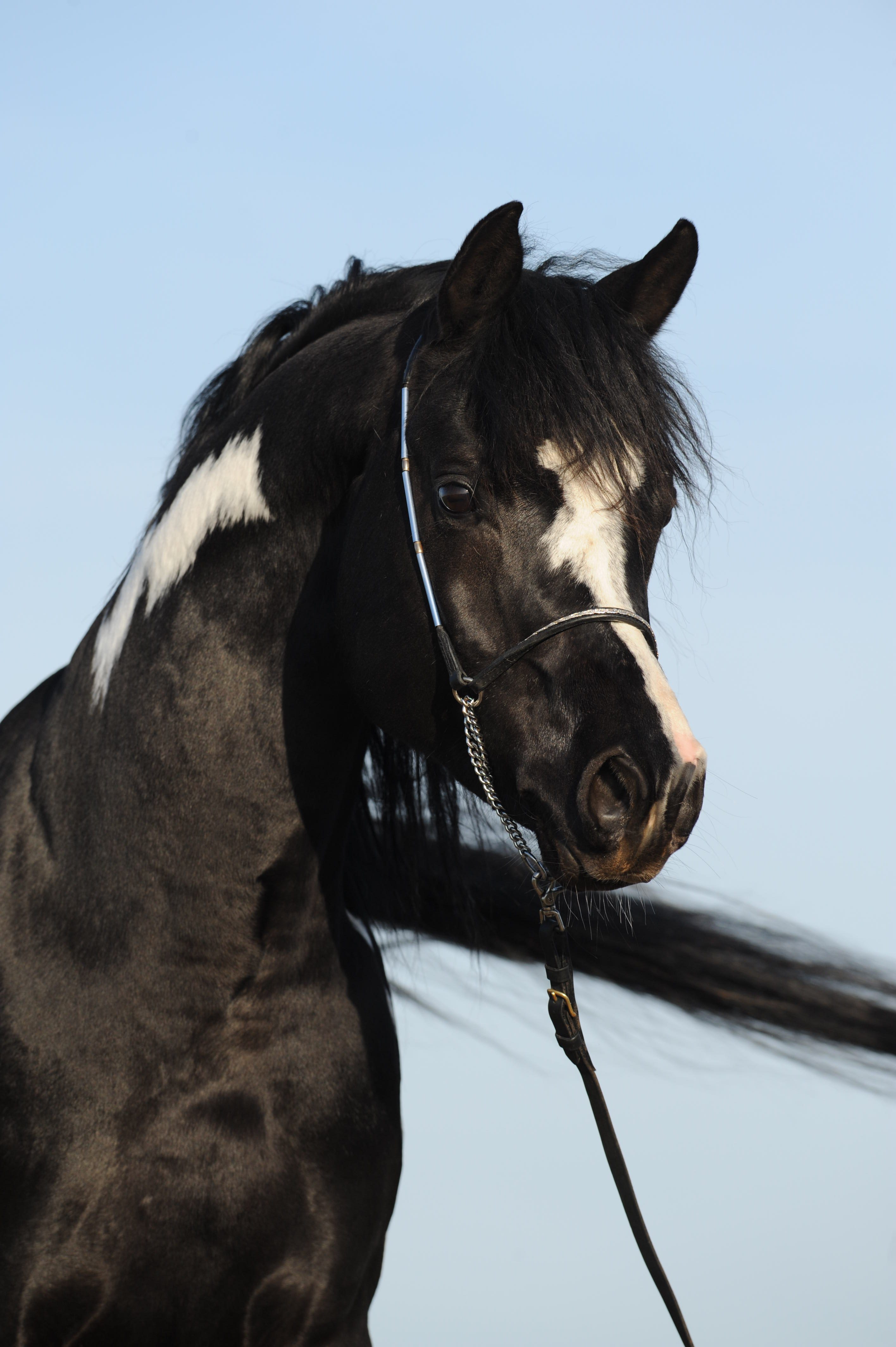
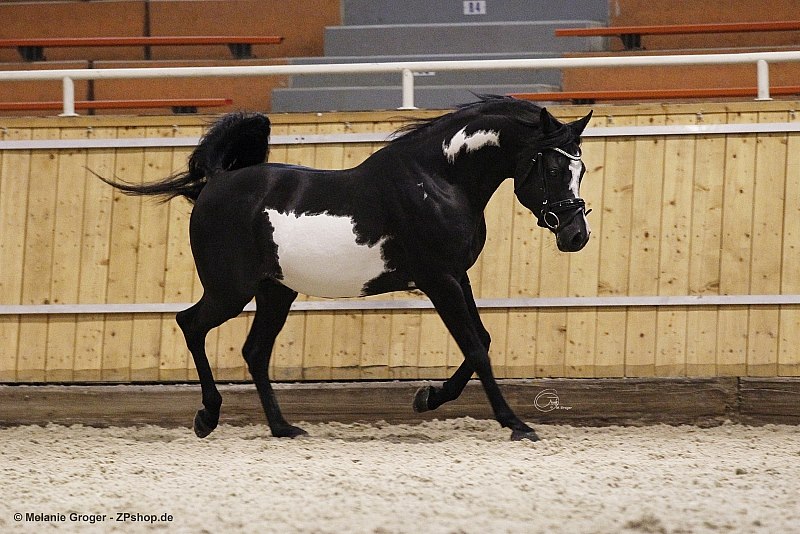
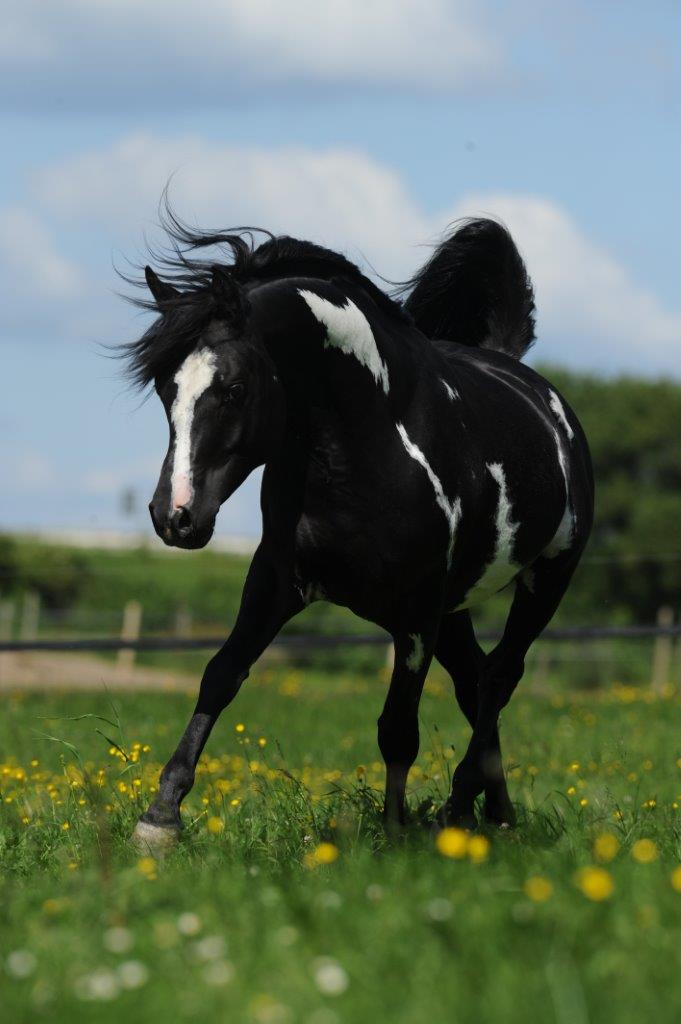
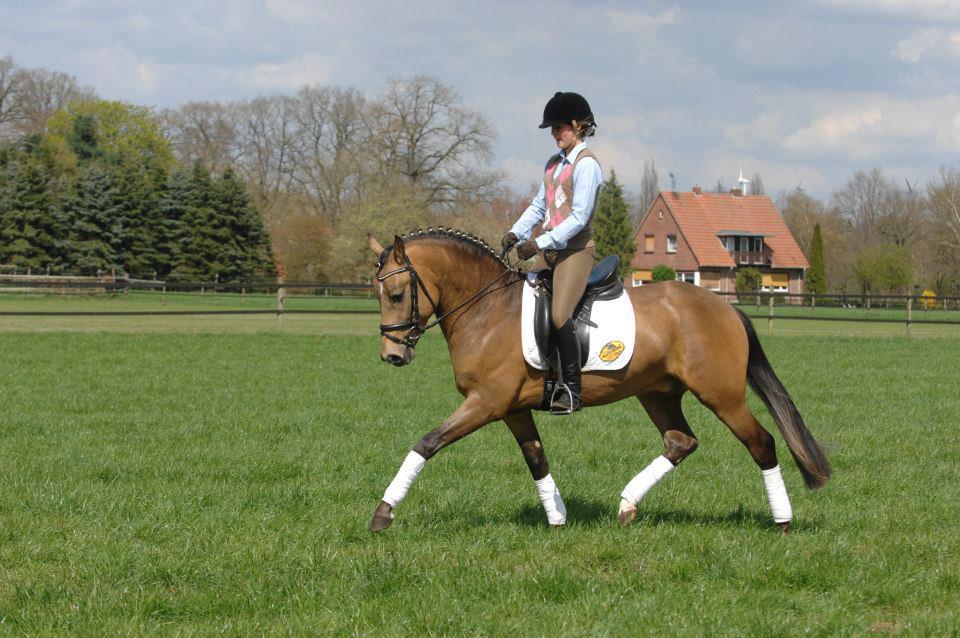
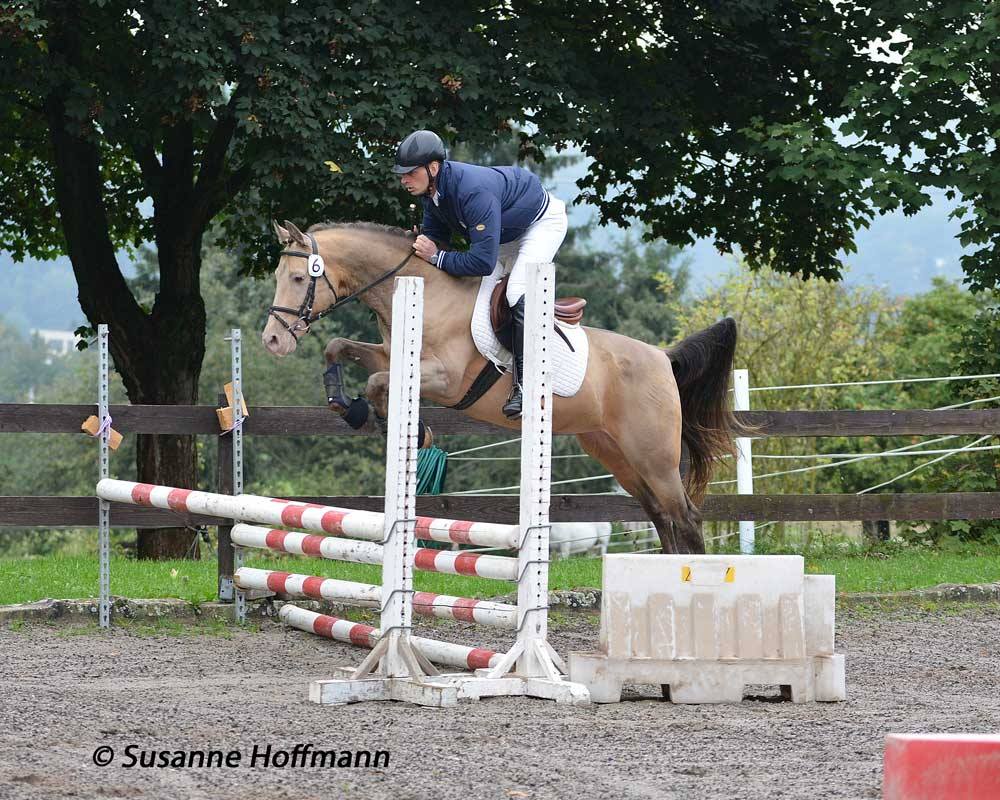
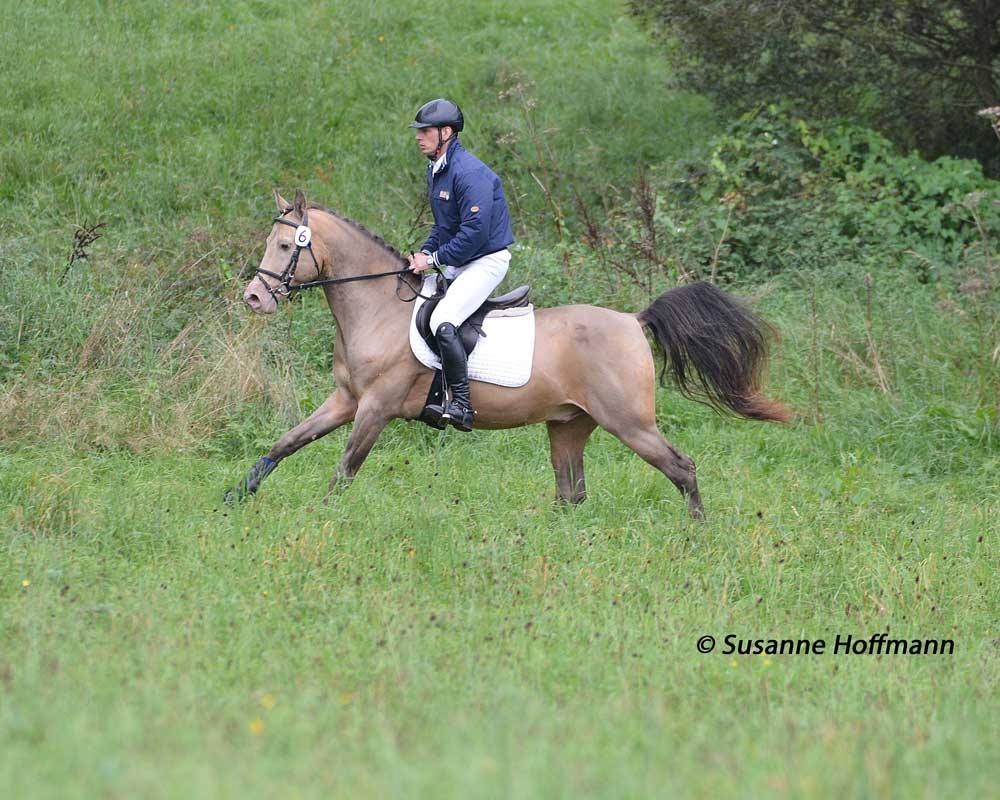
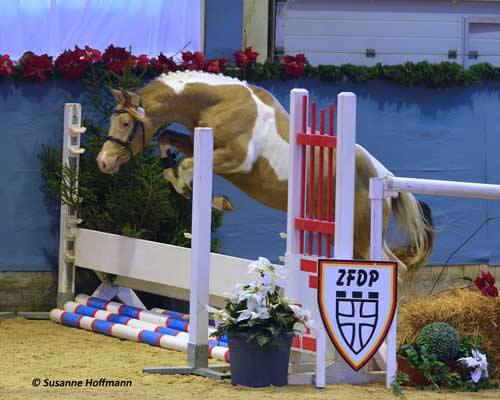
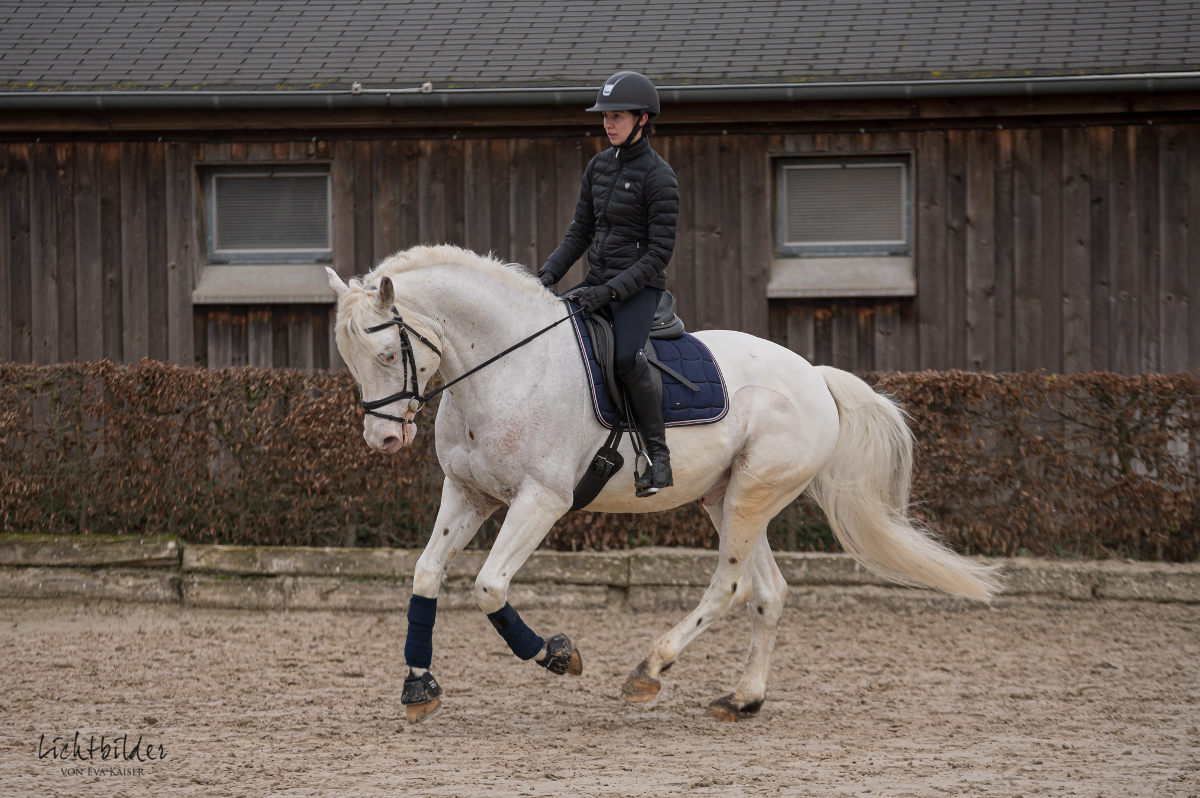
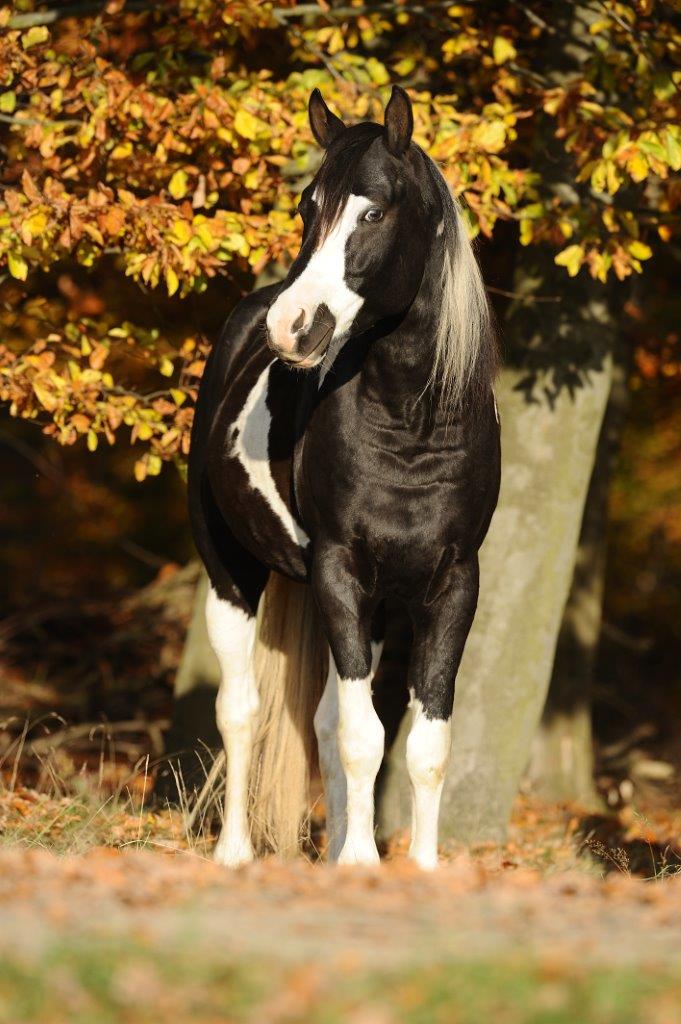
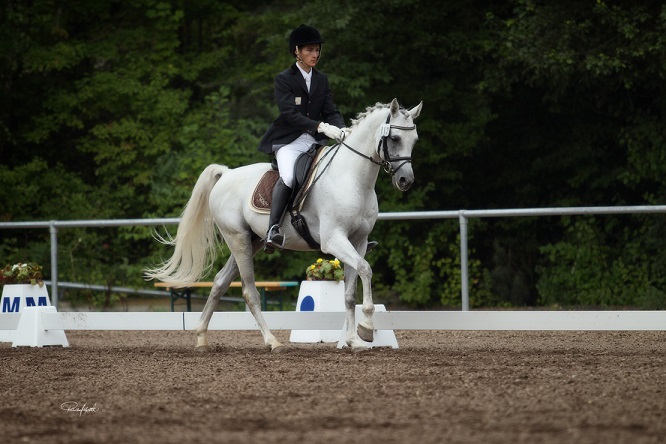
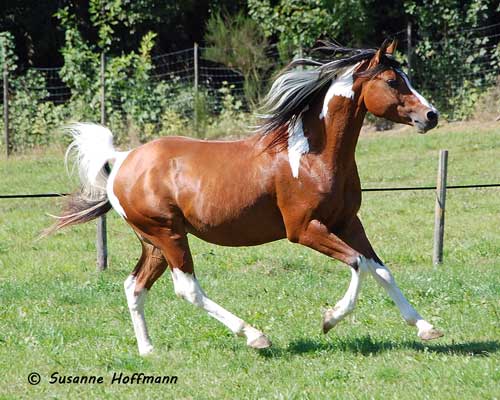
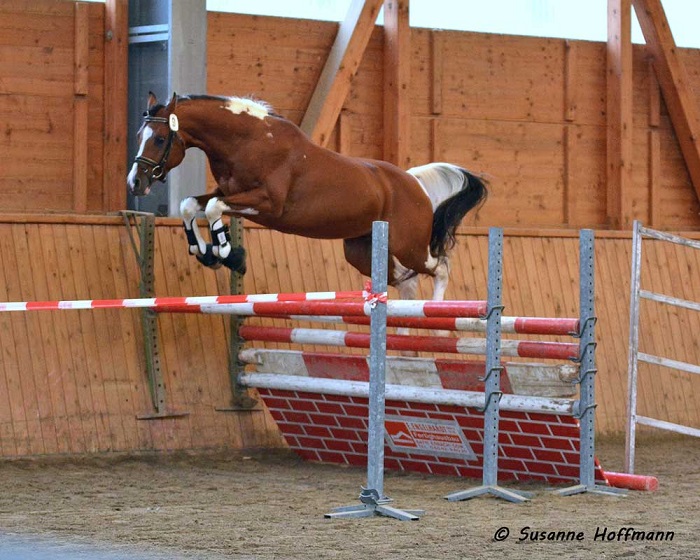
A partbred Arabian like Khalvin Khlein is fully eligible for registration in the German Riding Pony studbook, which makes him an excellent choice for pony breeding. Khalvin Khlein is well known for passing on outstanding riding qualities, making him highly valuable for sport horse breeding.
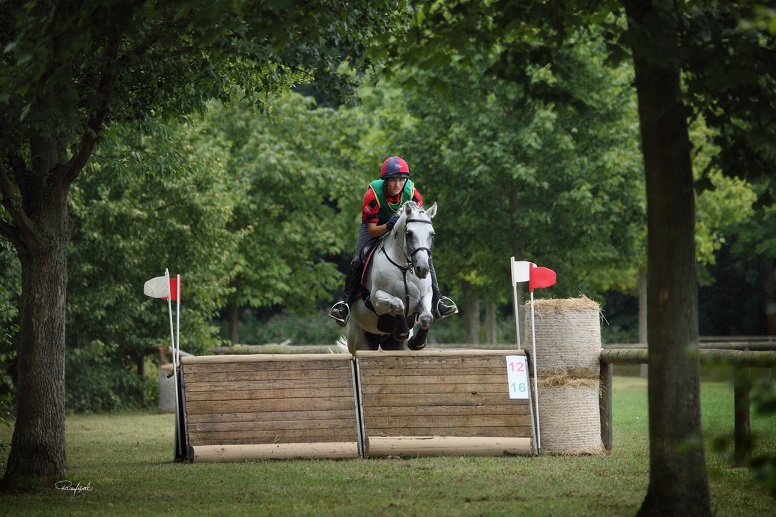
Partbred Arabians are especially sought after for refining larger warmblood breeds, where they contribute Arabian endurance, elegance, and intelligence while enhancing rideability and athleticism. They can be used effectively to improve warmblood breeds such as Hanoverians, Trakehners, Westphalians, and Oldenburgs, combining the best traits of Arabian blood with the size and power needed for sport horses in disciplines like jumping, dressage, and eventing.
Thus, Khalvin Khlein is a versatile stallion suitable both for pony breeding and for improving larger sport horse breeds, offering breeders a way to produce athletic, trainable, and elegant horses with Arabian refinement and stamina.